Stay Connected:

Categories
Atlas Construction Blog

Planning Storage and Functionality Into a Custom Home from the Beginning

Designing a custom home creates an opportunity to shape how daily life unfolds inside each room. Storage and functionality should be considered early in the design process so that every space works efficiently without feeling crowded. When storage is planned alongside layout decisions, homeowners gain practical solutions that support routines, reduce clutter, and improve comfort over the long term.

Designing Storage Around Daily Routines

The most effective storage plans begin with an honest look at how a household functions. Kitchens may need dedicated areas for small appliances, bulk food storage, and cookware that reflects cooking habits. Families who prepare meals frequently benefit from deeper drawers for pots, vertical tray storage, and walk-in pantries that allow clear visibility of supplies.

Entry areas deserve equal attention. Shoes, seasonal gear, and bags can accumulate quickly without a structured system. Built-in benches with hidden compartments and tall cabinets for coats help maintain order while keeping essentials within reach.

Laundry spaces often perform better when they include sorting bins, folding counters, and shelving for cleaning supplies. Locating these features near bedrooms or main traffic paths reduces unnecessary movement and supports efficient routines.

Built-In Solutions That Maximize Space

Custom homes allow storage to be integrated into architectural features instead of added later. Built-in cabinetry uses wall space efficiently and reduces the need for large standalone furniture. This approach keeps rooms open while providing consistent storage capacity.

Window seats with concealed compartments create usable storage in areas that might otherwise remain empty. Staircases can incorporate drawers or cabinets that hold seasonal items or tools. Hallways can support shallow cabinets designed for linens or household supplies.

Closets benefit from thoughtful planning as well. Adjustable shelving, double hanging rods, and dedicated sections for shoes or accessories increase usable space without expanding the footprint of the home. Walk-in closets perform best when pathways and storage zones are carefully balanced so that every section remains accessible.

Planning Flexible Spaces for Changing Needs

A well-designed home anticipates future changes in lifestyle. Storage systems that adapt over time prevent expensive renovations later. Shelving that can be repositioned or expanded allows spaces to evolve as family needs shift.

Multipurpose rooms benefit from concealed storage that supports different activities. A home office may require filing space and equipment storage, yet later serve as a guest room or study area. Built-in cabinets and wall storage allow the room to transition smoothly.

Garage planning often receives limited attention during design, yet it plays a major role in household organization. Wall-mounted storage, overhead racks, and designated work zones help maintain order and keep vehicles accessible. Clear circulation paths make these areas safer and easier to use.

Coordinating Storage With Overall Design

Storage works best when it blends naturally with the visual character of the home. Cabinet finishes, hardware, and trim details should complement surrounding materials so that storage areas feel intentional rather than secondary.

Lighting also improves storage usability. Interior cabinet lighting, closet fixtures, and well-placed overhead lights make it easier to locate items quickly. Electrical outlets inside cabinets support charging stations and small appliances while keeping surfaces clear.

Early collaboration between homeowners, designers, and builders ensures that structural framing, mechanical systems, and storage features work together. Careful planning produces a home where organization feels natural, and spaces remain comfortable for many years.

At Atlas Construction Inc., we help homeowners design custom spaces with thoughtful storage and practical layouts. Work with a team that plans carefully and builds with precision so your home supports your routines with comfort, organization, and lasting quality.

Categories
Atlas Construction Blog

Whole-Home Renovation: When It’s Time to Start Fresh

  • A whole-home renovation becomes necessary when small fixes no longer solve deeper layout, system, or functionality issues, and the home no longer supports daily life comfortably.
  • Starting fresh involves planning, structural clarity, and designing the home as one cohesive system rather than a series of isolated upgrades.
  • The success of a full renovation depends heavily on thoughtful coordination, practical decision-making, and working with the right contractor to manage complexity without added stress.

There’s a point where fixing one thing at a time stops making sense. A new coat of paint doesn’t solve the deeper issues. A small upgrade feels temporary. And slowly, you realize the home you’re living in no longer matches the life you’re living. That’s usually when the idea of a whole-home renovation enters the conversation. Not as a luxury, but as a reset. A chance to rebuild your space with intention instead of patching over old problems. Starting fresh means designing a home that finally works for you, today and for years ahead.

Here is how to know when it’s time, what it really involves, and how a whole-home renovation can change more than just the way your house looks.

1. The Signs That Small Fixes Are No Longer Enough

Most homeowners don’t wake up one morning and decide to renovate everything. The decision builds slowly, through frustration, compromise, and workarounds that stop working.

a. When Every Room Feels Disconnected

One of the clearest signs is inconsistency. Different flooring in every room. Layouts that don’t flow. Spaces that feel like they belong to different houses entirely.

These issues usually come from years of piecemeal updates. One project at a time. One quick fix after another. Over time, the home loses cohesion. A whole-home renovation restores balance by creating a unified plan instead of isolated improvements.

b. When Layout Matters More than Finishes

You can replace surfaces endlessly, but if walls are in the wrong place, nothing truly improves. Tight kitchens. Awkward hallways. Rooms that don’t get enough light. These frustrations tend to surface slowly, then all at once.

These are structural problems, not cosmetic ones. A full renovation allows you to rethink how space is used, not just how it looks. It’s the difference between upgrading a room and redesigning how your home actually functions.

When circulation improves and light flows naturally, the entire house starts to feel calmer and easier to live in.

c. When Systems Start Showing Their Age

Outdated electrical, plumbing, or structural elements often hide behind walls until they become unavoidable. Flickering lights. Inconsistent water pressure. Aging materials that were never meant to last this long. These issues rarely announce themselves politely.

A whole-home renovation creates the opportunity to address these systems together, safely and efficiently, instead of reacting to failures one at a time.

Handling them proactively reduces long-term risk and prevents newer finishes from being compromised by old infrastructure later on.

d. When Your Life Has Changed, But Your Home Hasn’t

Families grow. Work moves home. Daily routines shift. The home that once fit perfectly may now feel limiting or oddly inefficient. Small inconveniences begin to pile up and affect everyday comfort.

Renovation becomes less about style and more about alignment. Creating space for how you actually live now, not how you lived years ago. When a home adapts to your current reality, daily routines become smoother, and stress quietly fades into the background.

e. When Renovating Part by Part Costs More in the Long Run

Staggered renovations often mean repeated labor, repeated disruptions, and repeated design compromises. Each project solves one problem while creating another somewhere else.

A whole home renovation allows for smarter planning, better sequencing, and long-term cost efficiency. Everything works together, instead of competing for budget and attention.

It also means living through construction once, instead of being stuck in an ongoing cycle of half-finished upgrades.

2. What Starting Fresh Means
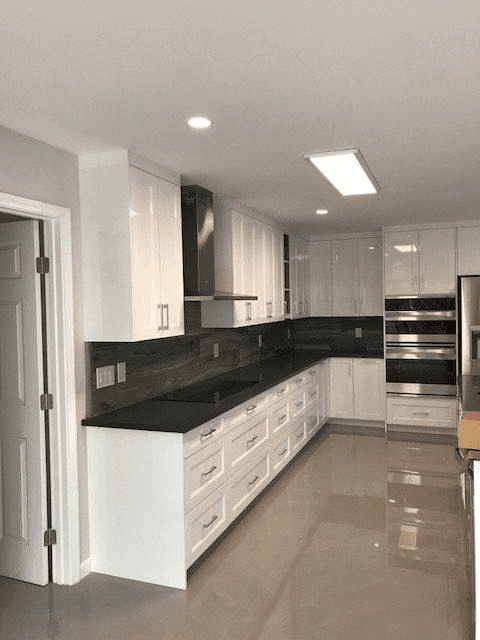
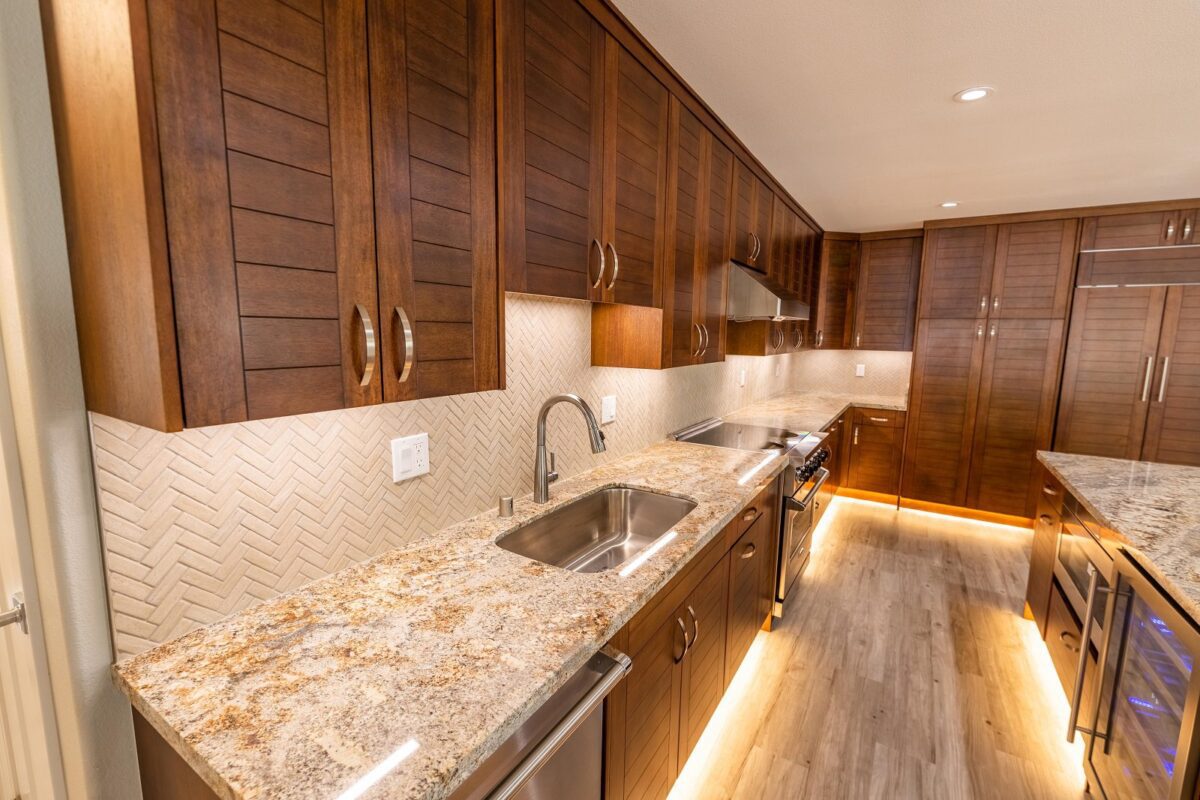
Modern kitchen after a whole-home renovation

Starting fresh doesn’t mean tearing everything down blindly. It means planning, thoughtful design, and clear priorities from the very beginning.

a. Beginning with Structure

The strongest renovations start beneath the surface. Evaluating framing, load paths, utilities, and long-term durability before thinking about finishes sets the foundation for everything that follows.

This approach prevents expensive surprises later and ensures the home is built to last, not just impress. When the structure is sound, design choices become easier and more confident instead of reactive.

b. Designing the Home as One Complete System

In a full renovation, each decision affects the next. Floor plans influence lighting. Lighting influences finishes. Finishes influence maintenance and longevity. Nothing exists in isolation.

Seeing the home as one integrated system leads to better outcomes than treating rooms as separate projects. It also creates visual and functional harmony, where spaces flow naturally instead of feeling patched together.

c. Balancing Personal Style with Practical Use

Design trends come and go. Function stays. That balance becomes especially important when renovating an entire home.

A successful renovation blends personal taste with daily usability. Storage where you actually need it. Materials that handle real life.

Choices that feel good now and still make sense in the years to come. When style supports function, the home feels both personal and effortless to live in.

d. Kitchens and Bathrooms as Anchors

These spaces carry the most daily use and the highest expectations. From layout to materials, details matter because small inefficiencies show up every day.

Upgrading kitchen counters, cabinetry, and workflow during a whole-home renovation allows these spaces to align with the rest of the house, instead of standing apart stylistically or functionally.

When these rooms work well, the entire home feels more cohesive and comfortable.

e. Planning for the Future

Accessibility, energy efficiency, and adaptability often become priorities later than expected. What feels unnecessary today can become essential sooner than you think. Building these considerations into a full renovation now avoids future limitations and increases long-term value, comfort, and peace of mind.

A home designed with flexibility in mind remains supportive as needs change over time.

3. Why the Right Contractor Makes All the Difference

A whole-home renovation is not a small project multiplied by ten. It’s a different category entirely. And the outcome depends heavily on who leads it. The right leadership turns complexity into clarity instead of chaos.

a. Coordination Matters More than Speed

A whole-home renovation involves many moving parts. Different trades. Different schedules. Different stages of work that all depend on one another. When those pieces don’t line up, progress slows, even if everyone is working hard.

This is where coordination makes the real difference. An expert contractor focuses on planning the order of work carefully, so each step supports the next instead of getting in the way.

When the process is well-coordinated, the renovation feels steady instead of rushed.

b. Transparency Builds Trust Throughout the Process

Clear expectations. Honest timelines. Open communication. These things matter more during a renovation than almost anything else.

Renovations are complex. Trust comes from knowing what’s happening, why it’s happening, and how decisions affect the overall outcome. Transparency removes uncertainty, which is often the biggest source of stress for homeowners. When updates are clear, you feel involved rather than left guessing.

c. Problem-Solving Is Part of the Job

No renovation unfolds exactly as planned. Hidden conditions appear. Adjustments become necessary, even in the best-run projects.

The right contractor anticipates challenges and responds calmly, keeping solutions aligned with the original vision instead of forcing compromises.

Experience shows most clearly in how unexpected moments are handled, not just when everything goes smoothly.

d. Quality Control Across Every Phase

From framing to finishes, consistency matters. A full renovation requires attention at every stage, not just at the end when everything is visible.

Details add up. Quality shows in how everything fits together, not just in what’s most noticeable.

Strong oversight ensures early decisions support the final result rather than quietly creating problems later.

e. A Renovation Should Feel Managed

Living through a renovation is disruptive enough. The process shouldn’t add unnecessary confusion on top of it.

When the work feels organized and predictable, homeowners can focus on decisions instead of damage control. A well-managed renovation builds confidence along the way, not just when the final reveal happens.

When a Home Finally Feels Right Again

For homeowners who have been fixing, adjusting, and compromising for years, a whole-home renovation becomes the point where the house finally starts working the way it should. It’s an investment in comfort, safety, and daily ease. When done well, it changes how a home feels to live in, not just how it looks. It turns a collection of rooms into a home that finally makes sense again.

Atlas Construction Inc. is where thoughtful planning meets skilled execution for homeowners ready to reimagine their space from the ground up. Get in touch to talk through your ideas and explore how a whole-home renovation can help you start fresh with confidence.
Categories
Atlas Construction Blog

Home Additions That Add Real Value in Hawaii’s Housing Market

Home additions in Hawaii require careful thought. Limited land, strict zoning, climate conditions, and buyer expectations shape which improvements truly strengthen resale value. Strategic additions respect these realities while enhancing daily living. The following options consistently support strong returns in Hawaii’s housing market.

Expanded Living Spaces That Improve Flow

Open and flexible living areas attract buyers seeking homes that feel calm and functional. Thoughtful expansions to living rooms, family rooms, or kitchens help properties feel larger without overwhelming the footprint. In Hawaii, indoor spaces that connect visually to the outdoors perform especially well.

Extending a living area toward a lanai or garden increases perceived space and supports natural ventilation. Buyers appreciate layouts that encourage gatherings while maintaining a sense of ease. When expansions preserve proportion and natural light, they align with local design preferences and improve overall livability.

Additional Bedrooms Designed for Multi-Generational Living

Many Hawaii households include extended family or welcome frequent guests. Adding a bedroom suite with a private bath responds to this reality and appeals to a wide buyer pool. These additions support privacy while accommodating changing family needs.

Well-designed bedroom additions near separate entrances or quieter areas of the home often feel intentional rather than added later. Buyers recognize the flexibility such spaces provide, whether for aging parents, visiting relatives, or rental opportunities where permitted.

Outdoor Living Areas That Extend Daily Use

Outdoor living holds strong value in Hawaii due to the climate and lifestyle. Covered lanais, screened patios, and shaded gathering areas increase usable space while protecting against sun and rain. These additions support daily routines such as dining, relaxing, and entertaining.

High-quality materials that handle humidity and salt air preserve long-term appeal. Buyers look for outdoor areas that feel integrated with the home rather than temporary structures. When designed for comfort and durability, these spaces contribute significantly to perceived value.

Kitchen Expansions That Support Function and Entertaining

Kitchens often shape buyer decisions. Expanding a kitchen to improve circulation, storage, and workspace increases both usability and appeal. In Hawaii, kitchens that support entertaining while maintaining efficiency perform especially well.

Additional counter space, pantry storage, and seating areas enhance everyday use. Buyers respond positively to layouts that balance openness with practicality. When kitchen expansions respect existing architecture and improve flow, they strengthen market value without overpowering the home.

Bathroom Additions That Reduce Daily Friction

Homes with adequate bathrooms meet modern expectations. Adding a well-placed bathroom reduces daily congestion and improves comfort for families and guests. Primary suite bathrooms and additional guest baths consistently support resale value.

In Hawaii, ventilation and moisture management remain essential. Buyers appreciate bathrooms that feel fresh and thoughtfully designed. Quality fixtures, durable finishes, and efficient layouts signal long-term reliability and care.

Home Office or Flex Spaces That Adapt Over Time

Flexible rooms that serve as offices, studios, or wellness spaces appeal to buyers seeking adaptability. Adding a dedicated flex space supports work routines, creative pursuits, or quiet retreats without committing the home to a single purpose.

Designs that allow easy conversion between uses increase appeal across different buyer lifestyles. Natural light, sound control, and storage elevate these spaces from basic additions to valued assets.

At Atlas Construction Inc., we help Hawaii homeowners plan additions that strengthen comfort, functionality, and long-term property value. From design guidance to skilled execution, our team builds with local insight and care. Contact us to discuss your home’s next chapter.

Categories
Atlas Construction Blog

What to Expect When Building a Custom Home in Hawaii

Building a custom home in Hawaii offers a chance to create a residence shaped by climate, culture, and place. The process rewards careful planning and informed decisions. Understanding what lies ahead helps set realistic expectations and supports confident choices from land selection through move-in.

Understanding Hawaii’s Unique Building Environment

Hawaii presents conditions that influence every stage of construction. Trade winds, salt air, sun exposure, and rainfall patterns affect design and material selection. Homes often benefit from orientation that captures breezes while limiting heat gain. Coastal areas introduce corrosion concerns, guiding choices toward finishes and fasteners suited for marine environments. Inland sites may face heavier rain or cooler evenings, shaping roof design and insulation strategies.

Navigating Land Selection and Zoning Requirements

Land selection carries added complexity across the islands. Lava zones, shoreline setback rules, agricultural designations, and conservation districts shape what can be built. Each county maintains its own zoning codes and review processes. Early due diligence includes verifying utility access, road frontage, and drainage requirements. Engaging professionals familiar with local regulations helps avoid redesigns later in the process.

Permitting and Approval Timelines

Permitting in Hawaii requires patience and preparation. Plans typically pass through multiple departments, including planning, building, and environmental review. Coastal or hillside properties may involve additional studies. Clear documentation, accurate surveys, and responsive coordination with reviewers support steady progress. Timelines vary by island and project scope, making early scheduling discussions essential.

Designing for Island Living

Custom home design in Hawaii balances comfort, resilience, and lifestyle. Open floor plans encourage airflow and connection to outdoor spaces. Covered lanais extend living areas while offering shade. Rooflines, window placement, and overhangs play a critical role in managing sun and rain. Many homeowners prioritize durability alongside aesthetics, selecting materials that age well under island conditions.

Construction Phases and Local Considerations

Once permits are secured, construction begins with site preparation that may include grading, retaining walls, or foundation systems adapted to volcanic soil. Shipping schedules influence material availability, so sequencing becomes especially important. Skilled local trades bring valuable insight into proven building practices. Regular communication keeps expectations aligned as the project advances through framing, mechanical systems, and finishes.

Budget Planning and Long-Term Value

Budget planning benefits from a detailed scope and realistic allowances. Transportation costs, material lead times, and specialized labor influence pricing. A thoughtful approach focuses on long-term performance and maintenance needs rather than short-term savings. Investing in quality systems and construction methods supports comfort, efficiency, and peace of mind for years ahead.

Building a custom home in Hawaii becomes a rewarding experience when guided by knowledge and local expertise. Clear expectations, informed choices, and collaborative planning create a path toward a home that fits both its setting and its owners.

At Atlas Construction Inc., our team guides Hawaii homeowners from concept to keys with planning, local insight, and dependable craftsmanship. Start a conversation to explore site feasibility, schedules, and cost clarity, supported by professionals who respect island conditions and your long-term vision.

Categories
Atlas Construction Blog

Understanding Home Construction Services in Honolulu: What Homeowners Should Know

Home construction services cover a wide range of professional solutions designed to help homeowners build, improve, or expand residential properties. Selecting the right experienced professionals helps ensure homes are built to last while meeting both functional and aesthetic expectations. The right approach to home construction services in Honolulu supports long-term safety, comfort, and property value.

Services That Are Offered By Building Contractors

New Home Construction: Full-scale building services that guide homeowners from initial planning through completion.

Home Remodeling and Renovations: Updates to kitchens, bathrooms, living spaces, and structural layouts to improve usability and appearance.

Home Additions: Expanding existing structures to accommodate growing families or changing lifestyle needs.

Project Planning & Management: Coordinating timelines, permits, materials, and subcontractors to maintain consistency and efficiency.

Opting for home construction services in Honolulu allows homeowners to rely on a single, organized process rather than managing multiple contractors independently.

Key Factors to Evaluate Before Hiring

Before committing to a construction provider, homeowners should carefully consider:

  • Local Experience: Familiarity with the region’s building codes, permitting processes, and environmental conditions.

  • Clear Communication: Giving you clear project updates, schedules, and documented progress throughout construction.

  • Design and Build Integration: The ability to align design goals with practical construction execution.

Benefits & Considerations of Full-Service Construction

Benefits include:

  • Centralized coordination from planning through completion.

  • Consistent quality control across all construction phases.

  • Streamlined communication with one primary point of contact.

Considerations may include:

  • More detailed upfront planning.

  • Greater emphasis on clear scope definitions.

For many homeowners, professional home construction services provide structure and clarity throughout complex projects.

Why Should You Opt For Professional Services

Well-executed construction enhances daily living while contributing to long-term property value. Quality craftsmanship, durable materials, and thoughtful layouts help homes adapt to future needs and maintain structural integrity over time.

A Construction Company You Can Always Count On

At Atlas Construction, we provide comprehensive home construction services tailored to this region’s residential environment. Our team of experts supports new builds, remodeling projects, and home additions with a focus on planning, quality, and dependable execution.

Turn your vision into reality. At Atlas Construction,we provide a wide range of home construction services all under one roof. Reach out to our team of experts for dependable building and remodeling services today.

Categories
Atlas Construction Blog

How To Choose The Right New Home Construction Company In Honolulu

Building a new home is one of the biggest investments a family makes. To achieve durable quality, seamless communication, and a home that suits lifestyle needs, choosing the right new home construction company in Honolulu is essential. A reputable builder brings clarity to the entire process and handles everything from design planning to execution. These professionals help homeowners avoid common issues like budget overruns, delays, or design mismatches.

Different Stages of Home Construction

Understanding what to expect at each phase helps homeowners stay informed throughout the entire building process:

Initial Consultation & Planning: The builder discusses goals, design preferences, budget boundaries, and site considerations.

Design & Permitting: Architectural drawings and local permits are prepared through a process that often requires coordination with designers, engineers, and city officials.

Construction & Project Management: Skilled crews execute the build, often overseen by a project manager who keeps timelines, materials, and communications on track.

Final Inspection & Handover: After quality checks and punch-list items, the completed home is delivered to the family.

A trusted new home construction company in Honolulu will guide clients at every step, offering transparency and accountability to ensure expectations are met.

What to Look For in a Construction Partner

When researching prospective builders, consider the following:

  • Experience with local building codes and climate challenges is essential for Hawaii’s unique conditions.
  • Project management systems to help clients track progress and communicate with the team efficiently.
  • Customization options to tailor layouts, materials, and finishes to fit unique family needs.

Comparing Standard vs. Custom Builds

Design Flexibility:- Standard Build: Limited design options with predefined layouts

Custom Build: High flexibility, allowing personalized layouts and features

Personalization:- Standard Build: Minimal customization available

Custom Build: Extensive personalization to match lifestyle and preferences

Cost Predictability:- Standard Build: More predictable pricing due to fixed designs.

Custom Build: Requires detailed upfront planning to manage costs effectively.

Long-Term Value:- Standard Build: Provides great value over time

Custom Build: Offers potentially higher value due to tailored design and functionality.

Overall Outcome:-

Custom home construction involves more planning and decision-making, but it results in a home that is unique, practical, and designed to support the way a family lives.

How Proper Decision-Making Leads to Better Outcomes

Selecting the right new home construction company involves evaluating experience, communication style, and commitment to quality building practices. With the right partner, the journey from concept to completion becomes a collaborative experience that empowers homeowners.

Your Go-to Building & Remodeling Experts

At Atlas Construction, we bring decades of local expertise in custom home design, planning, project management, and build execution. Our process emphasizes transparency, efficiency, and personalized support for every homeowner.

Ready to begin? Reach out to our experts today and explore our range of building and remodeling services, and take the first step toward achieving your dream home!

Categories
Atlas Construction Blog

Top Kitchen Design Trends for Honolulu Homes in 2026

The kitchen is more than a place to cook; it is where your day begins and ends. In Honolulu, kitchen design moves differently than on the mainland. You have to account for the tropical climate, the local lifestyle, and the specific way Hawaii families gather. If you are planning a remodel for the coming year, you should look for designs that blend durability with an open, airy flow.

Seamless Indoor-Outdoor Flow

In Hawaii, the boundary between inside and outside is often fluid. A top priority for 2026 is removing the barriers that separate your kitchen from your lanai—the open-sided veranda or outdoor patio. You can achieve this by installing large sliding glass doors or pass-through windows.

This design choice creates a single, expansive entertaining area. It allows you to prep food indoors while still being part of the conversation happening outside. It also maximizes natural light and trade winds, keeping your kitchen cooler and reducing the need for artificial lighting during the day.

Materials That Withstand the Elements

When you live in an island environment, your materials need to be tough. Salt air and humidity can wear down standard finishes quickly. You should choose surfaces that resist moisture and are easy to maintain.

Engineered quartz continues to be a strong choice because it is non-porous and resists staining better than many natural stones. For cabinetry, you can consider materials that are less prone to warping in humid conditions. Matte finishes are also gaining popularity over high-gloss options, as they hide fingerprints and smudges better, keeping your kitchen looking clean with less effort.

Smart Storage for Cleaner Countertops

Space is often at a premium in Honolulu homes. To keep your kitchen feeling open, you need storage solutions that reduce clutter. The trend is moving toward kitchens where appliances and pantry items are tucked away.

You can look for cabinetry that includes appliance garages, which give you dedicated spots to hide toasters and coffee makers when not in use. Deep drawers often function better than lower cabinets, allowing you to access heavy pots and pans easily. When your countertops are clear, the entire room feels larger and more inviting.

Multi-Functional Islands

The kitchen island remains the centerpiece, but its role is expanding. It is no longer just a prep station; it is a dining table, a homework desk, and a buffet line.

You can design your island to handle these varied tasks. This might mean including a second sink, extra power outlets for devices, or an overhang that accommodates comfortable seating. A well-designed island directs traffic away from the cooking zone, allowing you to work safely while guests or family members relax nearby.

A kitchen renovation is a significant update that adds value to your daily life and your property. At Atlas Construction, we understand the unique requirements of building in Hawaii. Our design-build approach keeps your project on track and aligned with your vision. Contact us today to discuss your remodeling ideas.

Categories
Atlas Construction Blog

Design-Build vs. Traditional Construction: What’s Best for Your Hawaii Home?

The dream of building a custom home in paradise is one many Hawaii residents share. From the stunning views of the Ko’olau mountains to the serene beaches of the North Shore, your home should be a reflection of the unique island lifestyle. But before you break ground, one of the most critical decisions you’ll make is choosing the right project delivery method: design-build or traditional Construction (often called design-bid-build).

Voted Hawaii’s #1 general contractor, Atlas Construction Inc. has worked with local families for more than 25 years. With four generations of building experience, we have seen firsthand how each method works, where challenges appear, and which situations benefit from each approach. Over the years, we refined our process to give homeowners a smoother, more cost-effective experience from start to finish.

Here, we explore the distinct processes, benefits, and challenges of both models, allowing you to determine which path offers the best fit for your unique Hawaiian home project.

The Traditional Construction Model

Traditional construction has been the standard for decades. It is defined by separating the design and construction phases, requiring the homeowner to manage two distinct contracts and processes.

1. Design Phase (The Architect)
The homeowner first hires an independent architecture firm to develop all plans, specifications, and construction documents. This phase is completed without the direct input of the general contractor.

2. Bid Phase (The Contractor)
Once the design is finalized and the plans are complete, they are sent out to multiple general contractors to solicit competitive bids. The homeowner selects the general contractor based on these bids.

3. Build Phase (The Construction)
The general contractor executes the plans and specifications provided by the architect. The homeowner often acts as the intermediary, facilitating communication and resolving discrepancies between the architect’s plans and the builder’s execution.

Why Some Homeowners Prefer the Traditional Model
  • Creative freedom during design. You can select an architect whose style matches your vision. Design work is often more open-ended, which can appeal to homeowners who want to experiment with layouts and aesthetics.
  • Separate control over design and construction. Some people prefer having independent professionals for each stage. For those who like to manage decisions closely, the traditional model offers clear dividing lines.
  • Competitive bidding. Comparing bids gives homeowners a sense of cost competition. It can feel reassuring to see several proposals before choosing a contractor.
Potential Challenges of the Traditional Model

Although traditional construction has benefits, Hawaii’s building environment adds a few complications homeowners should be aware of.

  • Costs can change after the design phase. Architects design according to your vision, but they are not always tied to real-time material prices or labor conditions. This can lead to plans that exceed your budget once contractors price them.
  • Higher risk of design conflicts. If the design includes details that are difficult or expensive to build, those issues appear only after you are already committed to the plans. The result is change orders, delays, or the need to revise drawings mid-project.
  • More responsibility on the homeowner. In the traditional model, the homeowner is the main link between the designer and the contractor. When issues arise, you may spend time clarifying decisions, solving disputes, or navigating technical information.
  • Longer timelines. Each phase depends on completing the previous one. When communication slows, the project slows with it.

Traditional construction works well for homeowners who want more hands-on involvement and have the time to manage the process. It is also suitable for smaller projects where design complexity is low. But for full builds or major remodels, the workload can grow quickly.

An aerial view of the ocean, shore, and several homes surrounded by trees

The Design-Build Model

Design-build places everything under one roof. The same company that designs your home also estimates costs, handles permitting, schedules trades, and builds the project. Decisions are made with cost, feasibility, and timelines in mind, which gives homeowners a clearer path from idea to finished home.

1. Unified Team & Conceptualization
The homeowner contracts with a design-build firm. The project begins with construction experts (estimators, project managers) and designers (architects, draftsmen) working together simultaneously.

2. Integrated Design and Cost Planning
Design and construction cost estimation happen concurrently. The design is developed with real-time feedback on materials, constructability, and budget impact.

a. Value Engineering: The builder’s purchasing power and material knowledge are integrated into the design decisions, ensuring the design is feasible and affordable within the client’s parameters.
b. Realistic Budgeting: This process aims to establish a more accurate, guaranteed final price earlier in the project lifecycle, minimizing the risk of budget surprises that arise when a designer’s vision exceeds a builder’s budget.

3. Streamlined Execution
With a single team, communication is simplified. Construction can often commence on site-prep or long-lead item procurement while final design details are being approved, accelerating the overall project timeline.

Why Many Hawaii Homeowners Consider Design Build
  • One team works together from the start. Your designer, estimator, and builder communicate daily. Questions get answered faster, and the team designs with construction realities in mind.
  • Better alignment between budget and design. Because costs are reviewed while plans are being created, you avoid surprises later. Homeowners get more predictability and fewer mid-project changes.
  • Streamlined permitting. A single team ensures the plans meet local codes, which helps avoid permit delays. This is especially important in counties with backlog or strict requirements.
  • Smoother communication. With one point of contact, you skip the stress of coordinating between separate companies.
Situations Where Design Build Shines

In Hawaii, design-build tends to be especially helpful when:

  • You are working with a strict or realistic budget
  • You need guidance on how to maximize space on small or irregular lots
  • You want faster project timelines
  • You prefer a simpler experience with fewer moving parts
  • Rising material costs require up-to-date cost planning
  • You want a project that accounts for local conditions such as moisture, wind, and slope

Design-build does not eliminate challenges, but it reduces the guesswork that often pushes projects over budget or behind schedule.

How Hawaii’s Conditions Influence Your Choice

Hawaii adds layers of complexity that mainland construction does not always face. These factors can influence which method works best.

1. Higher Material Costs

Hawaii has the highest land and construction costs of any state in the country. Shipping, supply shortages, and changes in availability make cost planning critical. If design and construction are separate, it is easier for a homeowner to end up with a design that costs more to build than expected.

2. Tight and Unique Lots

Many Hawaii lots are sloped, narrow, older, or located in established neighborhoods. Designs must be accurate, practical, and engineered from the beginning to avoid revisions later.

3. Local Weather and Environmental Factors

Humidity, ocean air, wind exposure, and storm safety require thoughtful material selection. If designers and builders are not on the same page, the home may need modifications later.

4. Permitting Realities

County permitting can be slow. Incomplete or inaccurate plans add more time. A coordinated team often produces plans that pass review more smoothly.

These are not deal breakers for traditional construction, but they highlight why careful coordination is so important in Hawaii.

What Sets Atlas Construction Apart

In the challenging construction landscape of Hawaii, where specialized materials, logistics, and local regulations dictate much of the process, the efficiency of the delivery method is magnified.

This is why Atlas Construction champions the design-build approach. We have perfected a low-overhead business model based on our four generations of experience that directly benefits you:

  • Buying Power & Value: Our established relationships and significant volume allow us to secure buying power from major building material suppliers. This advantage, combined with our low-overhead structure, means our general contractors can incorporate high-quality materials and creative solutions to work effectively with just about any realistic budget.
  • Experience & Expertise: Our full-service team includes experienced and creative Hawaii general contractors who know the nuances of island building, from navigating local permitting to understanding the best materials for coastal environments.
  • Proven Process: Our integrated approach is designed to simplify your experience. We manage the collaboration, the budget, and the schedule, ensuring the transition from a vision to a finished home is smooth and rewarding.

There is no one-size-fits-all answer when choosing between design-build and traditional construction. Both approaches have strengths, and both can produce a home you love. The best path depends on your comfort level, your timeline, your budget, and how much coordination you want to manage.

Traditional construction works well for homeowners who prefer separate designers and builders and want more direct involvement. Design-build often appeals to homeowners who want a unified team, clearer budgeting, and a process shaped around Hawaii’s building challenges.

If you want guidance from a company with decades of experience serving local families, Atlas Construction Inc. is here to help you understand your options and create a plan that fits your vision and your values. We are proud to support homeowners across the islands as they build, remodel, and restore their homes.

Let us help you take the next step toward the home you imagine. When you’re ready, get in touch.

Categories
Atlas Construction Blog

How to Design a Multi-Generational Home for Privacy

Living with extended family offers many benefits, from shared expenses to closer relationships between grandparents and grandchildren. In Hawaii, this lifestyle is common, yet it comes with a distinct challenge: finding enough personal space. When you bring multiple generations under one roof, maintaining privacy requires more than just extra square footage. It requires a design that respects your independence.

Create Distinct Zones with Separate Entrances

The most effective way to secure privacy is through the floor plan. A standard layout often leads to too much overlap in daily movements. Instead, you should consider a design that creates specific zones for each part of the family.

Adding a second story or a dedicated wing often works best. This setup effectively creates a “home within a home.” One of the most practical features you can include is a separate exterior entrance. This allows you or your family members to come and go without walking through the main living areas. It is particularly helpful if you have adult children with late work schedules or grandparents who prefer a quiet routine.

Prioritize Sound Control

Visual privacy is obvious, but acoustic privacy is just as valuable. If you can hear every conversation or footstep from the next room, the home will feel crowded.

During the design phase, you can request high-quality insulation in shared walls and between floors. Solid-core doors also help dampen noise better than standard hollow doors. When you reduce noise transfer, the home feels more peaceful, allowing you to relax without distractions from the rest of the household.

Include Secondary Living Spaces

The kitchen is the heart of the home, but sharing it for every meal can cause friction. While a large, central kitchen serves well for family gatherings, you might find that secondary options provide necessary relief.

Incorporating a wet bar or a kitchenette in the auxiliary unit gives you autonomy. It allows for simple tasks like making coffee or preparing a late-night snack without entering the main gathering areas. This separation of daily tasks reduces traffic in the main kitchen and lets you keep your own schedule.

Plan for Future Mobility

When designing for the long term, you must look ahead. Your family’s needs will change. Designing with accessibility in mind keeps the home functional for years.

This involves planning for wider hallways, lever-style door handles, and curbless showers. Integrating these features now is more efficient than adding them later. If you are building a two-story addition, you might want to stack closets to create a shaft for a future elevator. This foresight protects your investment and keeps the home usable for older family members.

Building a home that accommodates everyone requires experience. At Atlas Construction, we have spent four generations helping Honolulu families build spaces that work for their specific dynamics. Our team manages the entire design-build process, helping you create a home where every generation has room to thrive. Schedule a consultation today or view our portfolio.

Categories
Atlas Construction Blog

Why You Should Attend Hawaii’s #1 Home Building Seminar

Building a home in Hawaii is a dream for many, but the process can often feel overwhelming. Between permitting regulations, material shipping costs, and managing timelines, you might not know where to begin. If you are considering a new build, a major renovation, or an Ohana unit addition, you need a clear roadmap before you break ground.

Attending a dedicated home building seminar is one of the smartest first steps you can take. It moves you from guessing to planning, giving you the real-world information you need to make confident decisions for your family.

Understand the Local Building Process

Construction in Honolulu is different from construction on the mainland. You have unique zoning laws, specific climate considerations, and logistical factors that affect every project.

By attending a workshop, you gain insight into the entire lifecycle of a build. You will learn exactly what documents you need to start, how the permitting process works today, and what a realistic timeline looks like. Instead of being blindsided by delays or paperwork later, you start your journey with a clear understanding of what to expect.

Get Real Answers on Budgeting

One of the most common questions homeowners have is, “How much will this actually cost?” It is easy to find rough estimates online, but those rarely account for the specific site conditions of your property or the current cost of materials in Hawaii.

Seminars give you a breakdown of how your budget works. You learn about the difference between hard costs (materials and labor) and soft costs (architectural fees and permits). Understanding these numbers early helps you secure the right financing and prevents the stress of unexpected expenses midway through construction.

Learn About ADUs and Multi-Generational Living

If you are looking to maximize your property value or create space for extended family, you likely have questions about Accessory Dwelling Units (ADUs). The rules for these units can be complex.

A seminar provides a focused environment to learn about the specific requirements for ADUs and Ohana units. You will discover how to design these spaces to be comfortable and compliant, whether you are building for aging parents or looking for rental income potential.

Meet the Experts Face-to-Face

You can ask specific questions about your lot or your design ideas. It is also a chance to see if the builder’s communication style matches your needs. Building a home is a long-term partnership, and meeting the team in person is the best way to gauge that fit.

We at Atlas Construction Inc. believe that an educated homeowner is a happy homeowner. That is why we host Hawaii’s #1 Home Building Seminar every month. We want to strip away the mystery of construction and give you the facts. From financing questions to design trends, we cover the topics that matter most to your project. Register for our next seminar or contact us to find out when we will be in your neighborhood.