Categories
Atlas Construction Blog

Benefits of Working With a Local General Contractor in Honolulu

Hiring a local general contractor in Honolulu ensures your project follows Oahu’s specific building codes and survives the unique tropical climate. Local experts have established relationships with island suppliers and understand the logistical hurdles of shipping materials to Hawaii. This choice prevents costly permit delays and ensures your home is built to withstand salt-air corrosion and high humidity.

Why Does Local Knowledge Matter for Hawaii Construction?

Building in Honolulu is different than building on the mainland because of the island factor. A local contractor knows which materials can handle 80% humidity and which ones will rust within two years. They also understand the nuances of the City and County of Honolulu Department of Planning and Permitting (DPP). Without this local insight, homeowners often face massive delays because their plans don’t account for specific setback rules or coastal height restrictions.

Beyond basic regulations, local knowledge involves understanding the microclimates of Oahu. For instance, a home built in the salt-heavy air of Lanikai requires entirely different exterior fasteners and marine-grade fixtures compared to a home in the rainy, lush valleys of Manoa. Mainland contractors often overlook the aggressive nature of local termites or the specific way volcanic blue rock impacts excavation costs. A general contractor in Honolulu anticipates these variables during the bidding phase, preventing the change order nightmares that typically plague out-of-state firms. They also know which local vendors stock the specific termite-treated lumber required by Hawaii building codes, ensuring your structural integrity isn’t compromised by invasive species common to the islands.

How Do Local Relationships Speed up Your Renovation?

In Honolulu, the construction community is tight-knit. A local general contractor has a rolodex of reliable electricians, plumbers, and carpenters who have worked on the island for decades. When a project hits a snag, these personal connections mean your contractor can get a specialist on-site much faster than a mainland firm trying to hire through a generic website. These established bonds often lead to better pricing on materials that are already stocked on the island.

The Honolulu Permit Process: Why Locals Navigate It Better

The permit process in Honolulu is notoriously slow and complex. A local general contractor in Honolulu knows exactly how to format applications for the DPP to minimize kickbacks or requests for revision. They are familiar with the specific inspectors in the Honolulu area and know what those inspectors look for during a site visit. This familiarity can shave weeks, or even months, off your total project timeline.

Navigating the Department of Planning and Permitting (DPP) has become even more technical with the 2025 launch of HNL Build, the city’s Salesforce-based replacement for the aging POSSE system. While this new platform aims to improve transparency, it requires a steep learning curve that mainland firms often lack. A local expert is already fluent in the HNL Build portal and knows how to use the integrated CivCheck AI tool to pre-screen plans for code violations before they even reach a human reviewer’s desk.

Furthermore, local contractors often utilize the One-Time Review (OTR-60) process or the Third-Party Review (TPR) program for eligible residential projects. These pathways allow certified private-sector professionals to handle the bulk of the code review, potentially reducing wait times from several months to just a few weeks.

Without a local general contractor in Honolulu who understands these fast-track options, your application might sit in the standard queue, where residential backlogs have historically stretched beyond 200 days. Local pros also stay updated on the latest 2026 solar and energy storage mandates, ensuring your permit doesn’t get flagged for outdated electrical or PV (Photovoltaic) specifications that are unique to Oahu’s grid.

Adapting to the Honolulu Climate and Geography

Honolulu presents unique challenges like volcanic soil, steep hillsides in areas like Wilhelmina Rise, and intense UV exposure. A local professional understands that a foundation in Manoa needs different drainage than one in Ewa Beach. They select paints, roofing materials, and sealants that won’t peel or fade under the intense Pacific sun. This specialized material selection saves you thousands of dollars in maintenance over the next decade.

Living on Oahu means your home is in a constant battle with high salinity and UV radiation. A mainland contractor might suggest standard galvanized steel, but a seasoned general contractor in Honolulu knows that only 316-grade stainless steel or high-density polymers will survive the salt-air mist if you are within five miles of the coast. For homes on expansive soils common in areas like Salt Lake or Kapolei, local builders implement specialized post-tension slabs or deep-pier foundations to prevent the home from cracking as the ground shifts during the rainy season.

Geography also dictates ventilation and thermal mass. In the windward side’s humidity, a local builder prioritizes cross-ventilation and moisture-resistant green board in all interior walls, not just bathrooms. They also account for Oahu’s localized flooding maps. Even if you aren’t in a primary flood zone, a local expert knows which streets in Waikiki or Honolulu’s lower plains are prone to nuisance flooding during king tides or heavy Kona storms. By elevating the home’s mechanical systems and using flood-hardened materials for the ground floor, they protect your investment from the increasingly common sunny-day floods that outsiders often ignore.

Logistical Expertise: Managing the Shipping Hurdle
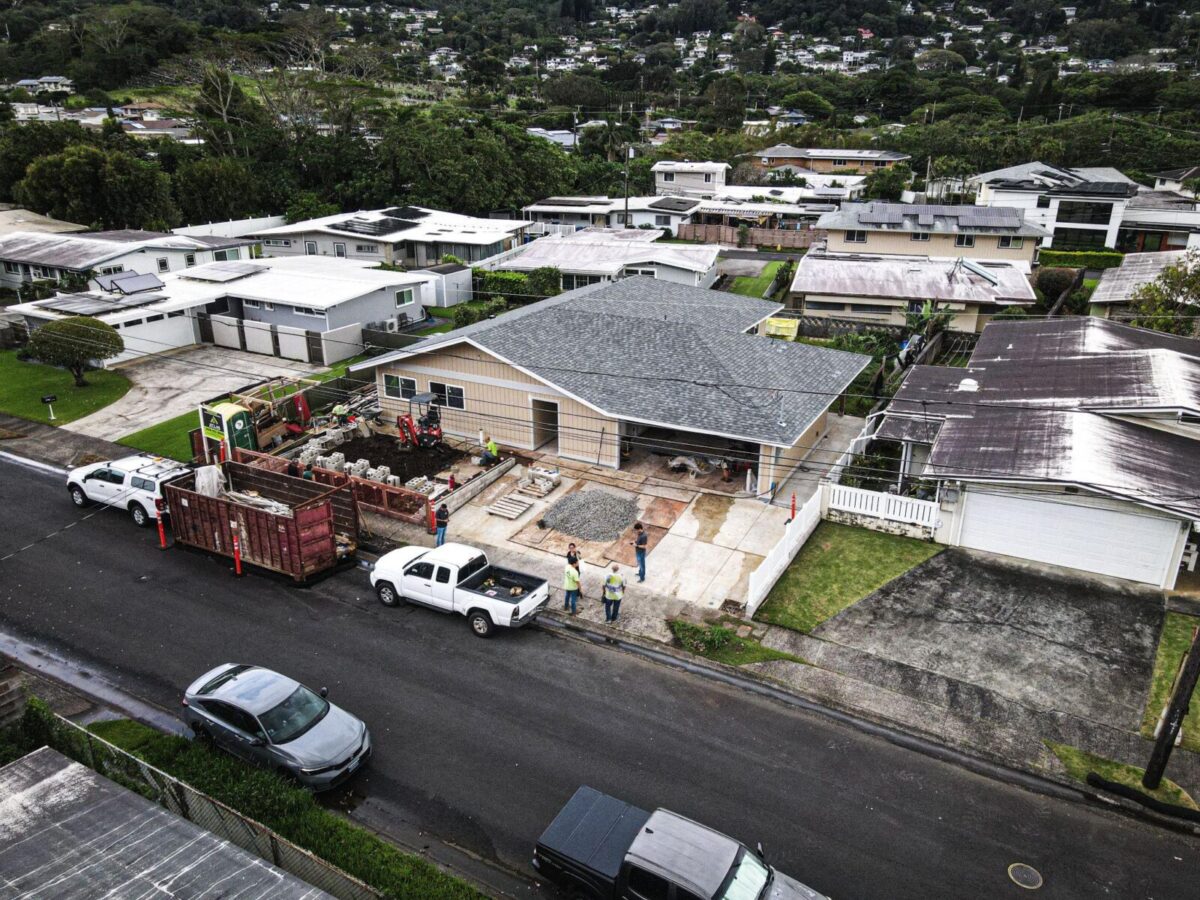
Almost everything used to build a home in Hawaii comes in on a barge. A local general contractor in Honolulu understands the shipping schedules of Matson and Young Brothers. They plan their lead times around these arrivals to ensure the crew isn’t sitting idle waiting for a bathtub or flooring to arrive from the West Coast. This logistical foresight is the difference between a six-month project and a year-long headache.

Supporting the Honolulu Economy

When you hire a local team, your investment stays within the islands. These companies pay local taxes, employ your neighbors, and support the community. Furthermore, a local contractor’s reputation is their most valuable asset. Since Honolulu is a small community, they are highly motivated to do excellent work; a bad reputation travels fast in the 808 area code.

Managing Hidden Costs in Hawaii Construction

Mainland contractors often underestimate the cost of labor and specialized materials in Hawaii. A local expert provides a realistic budget from day one. They know the current price of lumber at local yards and the cost of disposing of construction waste on Oahu. This transparency prevents sticker shock halfway through the build when shipping surcharges or local labor rates start to add up.

Tailored Design for Island Living

A local general contractor in Honolulu understands indoor-outdoor living. They know how to position a home to catch the trade winds, reducing your reliance on expensive air conditioning. They can advise on the best types of sliding glass doors that won’t seize up from salt spray and suggest landscaping ideas that thrive in Honolulu’s microclimates.

Reliable Post-Project Support

If a pipe leaks or a tile cracks a year after the job is done, you want a contractor who is still on the island. Local firms provide much better warranty support because they aren’t going anywhere. You can call their office in Honolulu and expect someone to show up, rather than dealing with a mainland corporation that has already moved its crew to a different state.

FAQ: Common Questions About Honolulu Contractors

1. What is the average timeline for a permit in Honolulu?

Currently, residential permits in Honolulu can take anywhere from six months to over a year, depending on the complexity. However, working with a local contractor who uses third-party reviewers can sometimes help move the process along more predictably.

2. Do I need a special license to be a contractor in Hawaii?

Yes, all contractors must be licensed by the Hawaii Department of Commerce and Consumer Affairs (DCCA). Always verify that your general contractor in Honolulu has an active BC or B license and carries the required workers’ compensation and liability insurance.

3. Are materials more expensive in Honolulu?

Generally, yes. Due to shipping costs, materials can be 20% to 30% more expensive than on the mainland. A local contractor helps mitigate this by sourcing through local wholesalers and avoiding expedited shipping fees through proper planning.

Choosing a local partner for your building needs ensures your project is handled with island-specific expertise. From navigating the DPP permit office to selecting materials that survive the salt air, a local team prevents the most common Hawaii construction pitfalls.

Atlas Construction Inc. is a premier general contractor in Honolulu with deep community roots and a proven track record of building homes that stand the test of time. Our team understands the unique logistical and environmental demands of Oahu, making us the top choice for your next build or renovation. Contact us for more information.
Categories
Atlas Construction Blog

From Vision to Reality: The Design-Build Approach Explained

The design-build Honolulu model is a construction method where one company handles both the architectural design and the physical building work. This differs from the traditional “bid-build” method, where you hire an architect and a contractor separately. By using a single team, homeowners reduce the risk of budget overruns, speed up the project timeline, and eliminate the communication gaps between a designer and a builder.

What is the Main Difference Between Design-Build and Traditional Building?

The main difference is the “single point of responsibility.” In a traditional setup, the homeowner acts as a middleman between an architect and a general contractor. If a plan is too expensive to build, the architect often blames the builder, and the builder blames the plans. In a design-build Honolulu project, the team works together from day one to ensure the design fits both your vision and your actual budget on Oahu.

Many people in Hawaii start their home journey by buying expensive blueprints from an independent architect. They spend months falling in love with a vision, only to find out later that the materials are too costly or the design isn’t allowed by the Honolulu Department of Planning and Permitting (DPP). This “sticker shock” is the primary reason many home dreams fail. With the design-build model, a contractor is in the room while the sketches are being made. They can tell you immediately if a specific feature will push you over your spending limit.

This team-based approach is especially helpful in Honolulu, where shipping costs for materials fluctuate. A builder knows what is available on the island and what has a long wait time. They can suggest changes to the design early on so you aren’t stuck waiting for a shipping container while your house sits half-finished. This coordination keeps the project moving and keeps your stress levels low.

How Does Design-Build Honolulu Save Homeowners Money?

A design-build Honolulu firm saves money by using a “Pre-Construction Services Agreement” (PSA) to lock in costs early. This process allows the builder to get real-world quotes from sub-contractors while the design is still being finalized. Instead of guessing what a kitchen might cost, the team gets hard numbers, which prevents the 20% to 30% cost spikes often seen in traditional “low-bid” construction.

One of the biggest money pits in Hawaii construction is the “change order.” This happens when a builder finds a mistake in the architect’s plans halfway through the job. Because the architect and builder are on different teams, the homeowner usually has to pay for the fix. In the design-build world, the firm is responsible for the entire project. If there is an error in the plans, they own it. You don’t get charged for their internal miscommunications.

Furthermore, these firms have deep-rooted relationships with local suppliers. They know which lumber yards have the best rates and which stone yards are overstocked. By designing around what is locally accessible, they avoid the massive markup on specialty items that must be flown in. This practical way of thinking ensures that every dollar you spend shows up in the quality of your home.

Why is Communication Better with a Single Team?

Better communication happens because the designer and the builder share the same office. Instead of sending emails back and forth and waiting days for a reply, the team can walk across the room to solve a problem in minutes. This keeps the Honolulu home remodeling process fluid and ensures that the person swinging the hammer knows exactly what the designer intended for that custom built-in shelf or lanai.

In a traditional setup, you might feel like you are refereeing a fight. The architect wants the house to look like a piece of art, while the builder wants it to be easy to construct. This tension often lands on the homeowner’s lap. When you choose a single team, that tension is handled internally. They work through the “how-to” details long before the first shovel hits the dirt.

You also benefit from having one person to call. Whether you have a question about the color of the paint or the date the foundation will be poured, you call your project manager. You don’t have to wonder who is responsible for what. This clarity is a breath of fresh air for busy families in Honolulu who don’t have time to manage two different companies at once.

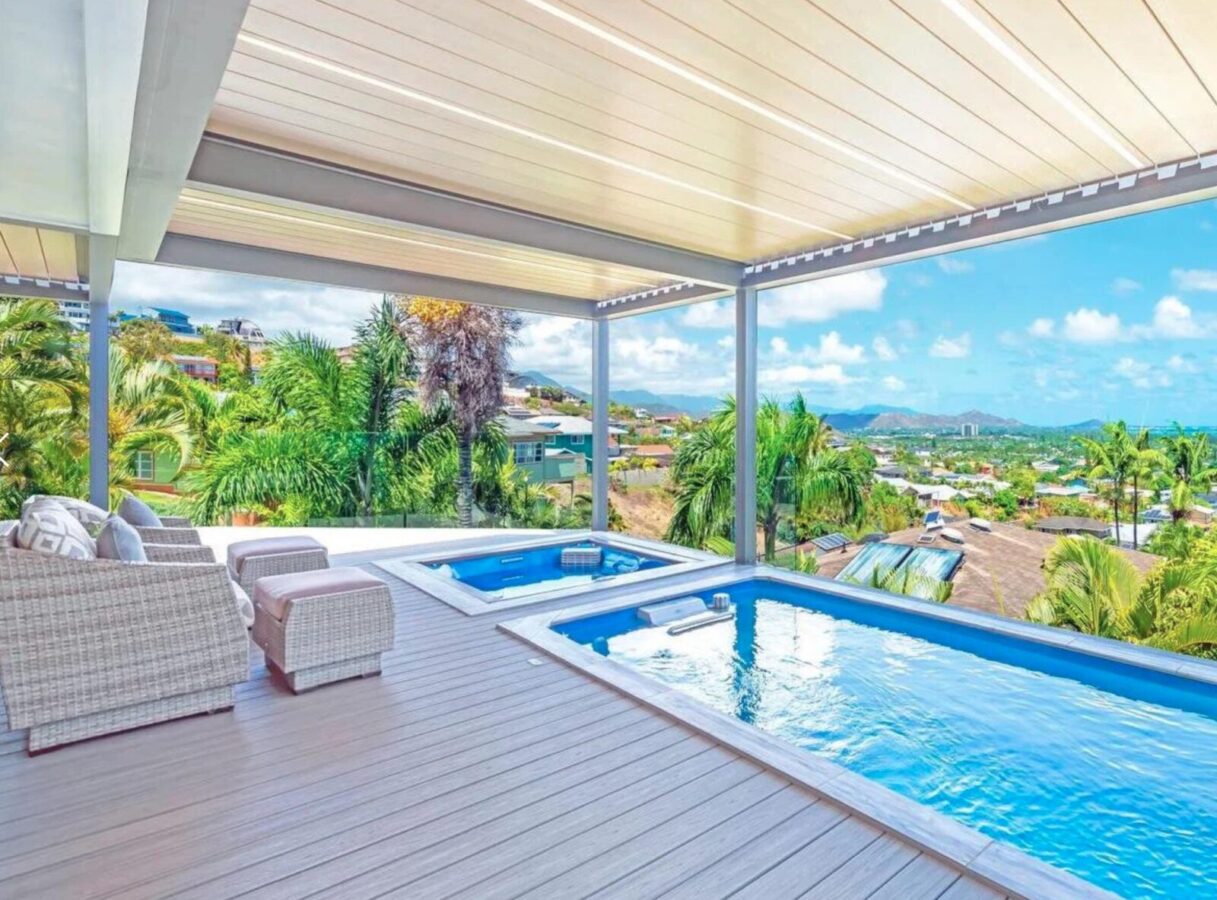
misra pool view

How Does the 2026 “Permit Backlog” Affect Your Project?

In 2026, the Honolulu Department of Planning and Permitting (DPP) continues to face a significant backlog. To address this, the city has launched new AI-assisted software called “CivCheck” to pre-screen plans for code compliance. A design-build Honolulu firm uses this to your advantage by submitting digital documents that are already checked for common errors.

  • AI-Enhanced Pre-Screening: Modern firms use software compatible with the DPP’s 2026 systems to catch zoning errors in the design phase, not the permit phase.
  • Self-Certification Programs: Some local builders now use “Self-Certified Professionals” who can fast-track certain residential renovations, potentially shaving months off the wait.
  • Digital Data-Mapping: Since the city moved to the HNL Build platform, your team must be experts in digital mapping to avoid “system glitches” that stall projects.
  • Code Compliance: Builders who understand the new automated code checks can ensure their architectural plans meet local requirements on the first try.

Can Design-Build Speed Up the Permitting Process in Honolulu?

Yes, a design-build Honolulu company can often navigate the permitting phase faster because they prepare “permit-ready” documents that meet local building codes from the start. They understand the specific requirements of the Honolulu DPP and can anticipate the questions a permit reviewer might ask. By submitting clean, builder-verified plans, they reduce the number of times a plan is sent back for corrections.

The permitting “backlog” is a common complaint for anyone doing custom home builders Oahu work. While no company can force the city to work faster, a design-build firm can use “long-lead” ordering to save time. While the permit is sitting in the city office, the team can be busy ordering your cabinets, flooring, and windows.

In a traditional model, you often wait for the permit to be fully approved before you even start looking for a builder. Then, you spend another month getting bids. The design-build model overlaps these phases. By the time the permit arrives, the materials are already on the island, the crew is scheduled, and work can start the next day. This can shave months off a total project timeline.

How Do 2026 Material Lead Times Impact Design?

Shipping and material costs in 2026 are heavily influenced by new trade policies and a rise in domestic commodity prices. In Honolulu, these global trends are magnified by the cost of ocean freight and local inventory shortages. A Honolulu home remodeling expert will design your home based on what is actually sitting in a warehouse on Sand Island rather than a catalog item that is stuck in a port.

  • Early Procurement Strategy: Design-build teams now purchase appliances and specialized windows as soon as the design is signed, months before the foundation is poured.
  • Material Shifts: With certain metal prices rising, many Oahu builders are shifting designs toward reinforced concrete or locally sourced masonry to keep budgets stable.
  • Smart Tracking: Top firms use cloud-based tracking to monitor items like custom cabinetry, which currently carries a 6-to-12 month wait time in the Hawaii market.
  • Bulk Buying Power: Large-volume builders leverage their relationships with island suppliers to “lock in” pricing early, protecting homeowners from sudden inflation.

What Should You Look for in a Honolulu Design-Build Firm?

When looking for a residential construction Honolulu partner, you should look for a firm with a dedicated in-house design team and a transparent pricing model. Ask to see their “Pre-Construction” process. A good firm will have a clear roadmap that shows how they move from your initial idea to a final, fixed-price contract. Avoid companies that give “ballpark” estimates over the phone without looking at your property.

You should also check their local track record. Building on a hillside in Manoa is very different from building a beach house in Ewa. A firm that knows the local soil conditions, wind patterns, and moisture levels will build a house that lasts longer. Look for a company that treats the project like a partnership.

Is Design-Build Right for Small Remodels?

The design-build method is perfect for small Honolulu home remodeling projects because it ensures that small spaces are used efficiently. Whether it is a kitchen renovation or adding an ADU (Accessory Dwelling Unit), having a designer and builder work together prevents the “cramped” feeling that often comes from poor planning.

Small projects often have even tighter budgets than new builds. There is less room for error. A design-build team can help you prioritize where to spend your money. They help you balance your “wants” with your “needs” to get the most value out of a small footprint.

FAQ

Is design-build more expensive?

Initially, design fees look higher, but the total project cost is usually lower because you avoid change orders and reduce the construction timeline.

Do I still choose my own fixtures?

Yes. You have full control over the look of your home. The designer helps guide you to choices that fit your budget.

How long does the process take in Honolulu?

While every project is different, the design and permitting phase takes 4 to 8 months, followed by 6 to 12 months of construction.

Can I use my own architect?

Most design-build firms prefer their internal team, but many will collaborate if the architect is open to a team-based approach.

Who manages the sub-contractors?

The design-build firm manages everyone. Your project manager handles the scheduling, quality control, and payments.

Secure Your Honolulu Future

Choosing a design-build Honolulu partner like Atlas Construction is the smartest way to turn your vision into a reality. By combining design and construction into one process, you gain a team dedicated to your budget, your timeline, and your Hawaii lifestyle.

Would you like to see how our design-build process works for your property? Contact Atlas Construction today to schedule a consultation.

Categories
Atlas Construction Blog

Planning Storage and Functionality Into a Custom Home from the Beginning

Designing a custom home creates an opportunity to shape how daily life unfolds inside each room. Storage and functionality should be considered early in the design process so that every space works efficiently without feeling crowded. When storage is planned alongside layout decisions, homeowners gain practical solutions that support routines, reduce clutter, and improve comfort over the long term.

Designing Storage Around Daily Routines

The most effective storage plans begin with an honest look at how a household functions. Kitchens may need dedicated areas for small appliances, bulk food storage, and cookware that reflects cooking habits. Families who prepare meals frequently benefit from deeper drawers for pots, vertical tray storage, and walk-in pantries that allow clear visibility of supplies.

Entry areas deserve equal attention. Shoes, seasonal gear, and bags can accumulate quickly without a structured system. Built-in benches with hidden compartments and tall cabinets for coats help maintain order while keeping essentials within reach.

Laundry spaces often perform better when they include sorting bins, folding counters, and shelving for cleaning supplies. Locating these features near bedrooms or main traffic paths reduces unnecessary movement and supports efficient routines.

Built-In Solutions That Maximize Space

Custom homes allow storage to be integrated into architectural features instead of added later. Built-in cabinetry uses wall space efficiently and reduces the need for large standalone furniture. This approach keeps rooms open while providing consistent storage capacity.

Window seats with concealed compartments create usable storage in areas that might otherwise remain empty. Staircases can incorporate drawers or cabinets that hold seasonal items or tools. Hallways can support shallow cabinets designed for linens or household supplies.

Closets benefit from thoughtful planning as well. Adjustable shelving, double hanging rods, and dedicated sections for shoes or accessories increase usable space without expanding the footprint of the home. Walk-in closets perform best when pathways and storage zones are carefully balanced so that every section remains accessible.

Planning Flexible Spaces for Changing Needs

A well-designed home anticipates future changes in lifestyle. Storage systems that adapt over time prevent expensive renovations later. Shelving that can be repositioned or expanded allows spaces to evolve as family needs shift.

Multipurpose rooms benefit from concealed storage that supports different activities. A home office may require filing space and equipment storage, yet later serve as a guest room or study area. Built-in cabinets and wall storage allow the room to transition smoothly.

Garage planning often receives limited attention during design, yet it plays a major role in household organization. Wall-mounted storage, overhead racks, and designated work zones help maintain order and keep vehicles accessible. Clear circulation paths make these areas safer and easier to use.

Coordinating Storage With Overall Design

Storage works best when it blends naturally with the visual character of the home. Cabinet finishes, hardware, and trim details should complement surrounding materials so that storage areas feel intentional rather than secondary.

Lighting also improves storage usability. Interior cabinet lighting, closet fixtures, and well-placed overhead lights make it easier to locate items quickly. Electrical outlets inside cabinets support charging stations and small appliances while keeping surfaces clear.

Early collaboration between homeowners, designers, and builders ensures that structural framing, mechanical systems, and storage features work together. Careful planning produces a home where organization feels natural, and spaces remain comfortable for many years.

At Atlas Construction Inc., we help homeowners design custom spaces with thoughtful storage and practical layouts. Work with a team that plans carefully and builds with precision so your home supports your routines with comfort, organization, and lasting quality.

Categories
Atlas Construction Blog

Home Additions That Add Real Value in Hawaii’s Housing Market

Home additions in Hawaii require careful thought. Limited land, strict zoning, climate conditions, and buyer expectations shape which improvements truly strengthen resale value. Strategic additions respect these realities while enhancing daily living. The following options consistently support strong returns in Hawaii’s housing market.

Expanded Living Spaces That Improve Flow

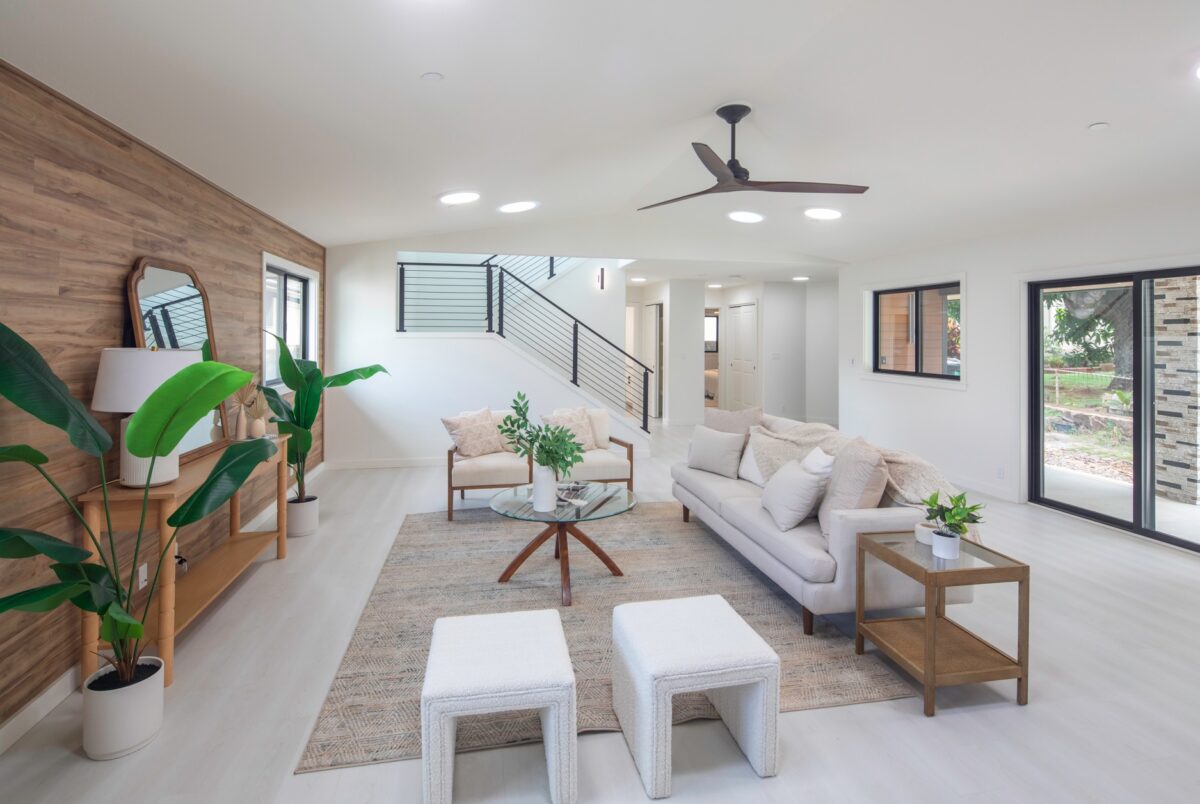
Open and flexible living areas attract buyers seeking homes that feel calm and functional. Thoughtful expansions to living rooms, family rooms, or kitchens help properties feel larger without overwhelming the footprint. In Hawaii, indoor spaces that connect visually to the outdoors perform especially well.

Extending a living area toward a lanai or garden increases perceived space and supports natural ventilation. Buyers appreciate layouts that encourage gatherings while maintaining a sense of ease. When expansions preserve proportion and natural light, they align with local design preferences and improve overall livability.

Additional Bedrooms Designed for Multi-Generational Living

Many Hawaii households include extended family or welcome frequent guests. Adding a bedroom suite with a private bath responds to this reality and appeals to a wide buyer pool. These additions support privacy while accommodating changing family needs.

Well-designed bedroom additions near separate entrances or quieter areas of the home often feel intentional rather than added later. Buyers recognize the flexibility such spaces provide, whether for aging parents, visiting relatives, or rental opportunities where permitted.

Outdoor Living Areas That Extend Daily Use

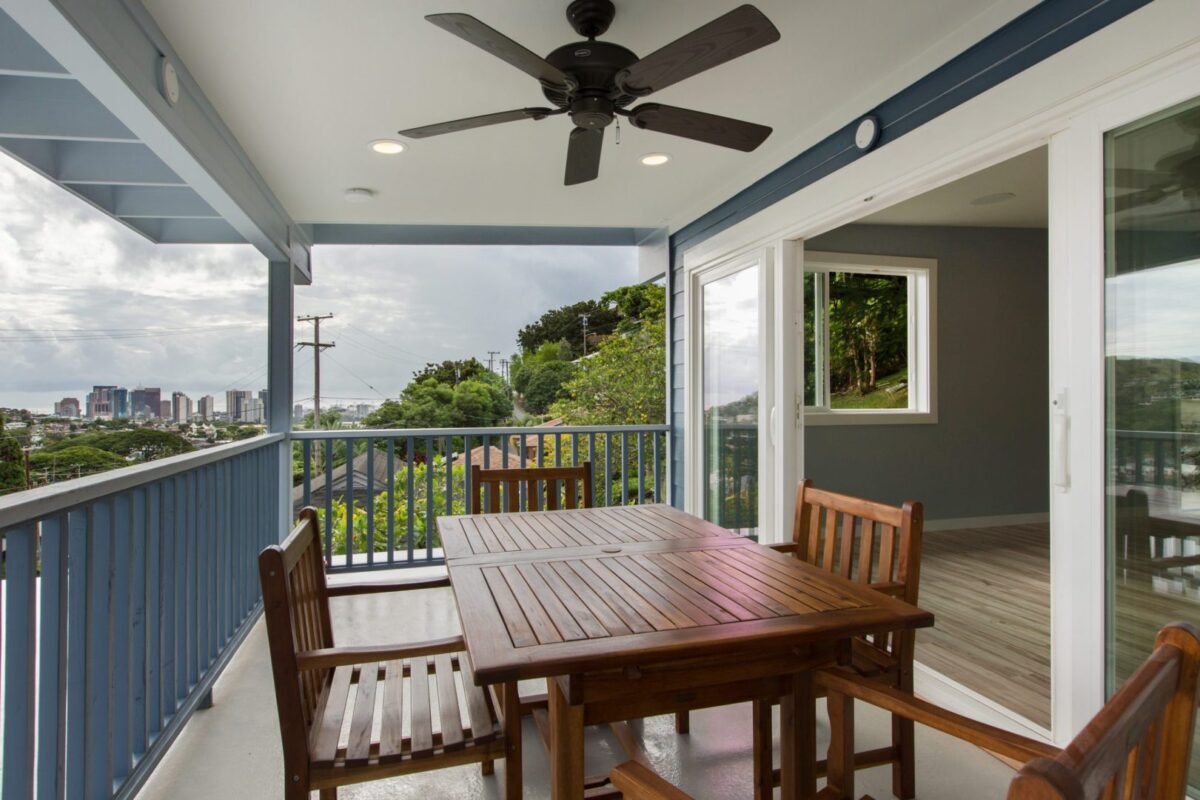
Outdoor living holds strong value in Hawaii due to the climate and lifestyle. Covered lanais, screened patios, and shaded gathering areas increase usable space while protecting against sun and rain. These additions support daily routines such as dining, relaxing, and entertaining.

High-quality materials that handle humidity and salt air preserve long-term appeal. Buyers look for outdoor areas that feel integrated with the home rather than temporary structures. When designed for comfort and durability, these spaces contribute significantly to perceived value.

Kitchen Expansions That Support Function and Entertaining

Kitchens often shape buyer decisions. Expanding a kitchen to improve circulation, storage, and workspace increases both usability and appeal. In Hawaii, kitchens that support entertaining while maintaining efficiency perform especially well.

Additional counter space, pantry storage, and seating areas enhance everyday use. Buyers respond positively to layouts that balance openness with practicality. When kitchen expansions respect existing architecture and improve flow, they strengthen market value without overpowering the home.

Bathroom Additions That Reduce Daily Friction

Homes with adequate bathrooms meet modern expectations. Adding a well-placed bathroom reduces daily congestion and improves comfort for families and guests. Primary suite bathrooms and additional guest baths consistently support resale value.

In Hawaii, ventilation and moisture management remain essential. Buyers appreciate bathrooms that feel fresh and thoughtfully designed. Quality fixtures, durable finishes, and efficient layouts signal long-term reliability and care.

Home Office or Flex Spaces That Adapt Over Time

Flexible rooms that serve as offices, studios, or wellness spaces appeal to buyers seeking adaptability. Adding a dedicated flex space supports work routines, creative pursuits, or quiet retreats without committing the home to a single purpose.

Designs that allow easy conversion between uses increase appeal across different buyer lifestyles. Natural light, sound control, and storage elevate these spaces from basic additions to valued assets.

At Atlas Construction Inc., we help Hawaii homeowners plan additions that strengthen comfort, functionality, and long-term property value. From design guidance to skilled execution, our team builds with local insight and care. Contact us to discuss your home’s next chapter.

Categories
Atlas Construction Blog

What to Expect When Building a Custom Home in Hawaii

Building a custom home in Hawaii offers a chance to create a residence shaped by climate, culture, and place. The process rewards careful planning and informed decisions. Understanding what lies ahead helps set realistic expectations and supports confident choices from land selection through move-in.

Understanding Hawaii’s Unique Building Environment

Hawaii presents conditions that influence every stage of construction. Trade winds, salt air, sun exposure, and rainfall patterns affect design and material selection. Homes often benefit from orientation that captures breezes while limiting heat gain. Coastal areas introduce corrosion concerns, guiding choices toward finishes and fasteners suited for marine environments. Inland sites may face heavier rain or cooler evenings, shaping roof design and insulation strategies.

Navigating Land Selection and Zoning Requirements

Land selection carries added complexity across the islands. Lava zones, shoreline setback rules, agricultural designations, and conservation districts shape what can be built. Each county maintains its own zoning codes and review processes. Early due diligence includes verifying utility access, road frontage, and drainage requirements. Engaging professionals familiar with local regulations helps avoid redesigns later in the process.

Permitting and Approval Timelines

Permitting in Hawaii requires patience and preparation. Plans typically pass through multiple departments, including planning, building, and environmental review. Coastal or hillside properties may involve additional studies. Clear documentation, accurate surveys, and responsive coordination with reviewers support steady progress. Timelines vary by island and project scope, making early scheduling discussions essential.

Designing for Island Living

Custom home design in Hawaii balances comfort, resilience, and lifestyle. Open floor plans encourage airflow and connection to outdoor spaces. Covered lanais extend living areas while offering shade. Rooflines, window placement, and overhangs play a critical role in managing sun and rain. Many homeowners prioritize durability alongside aesthetics, selecting materials that age well under island conditions.

Construction Phases and Local Considerations

Once permits are secured, construction begins with site preparation that may include grading, retaining walls, or foundation systems adapted to volcanic soil. Shipping schedules influence material availability, so sequencing becomes especially important. Skilled local trades bring valuable insight into proven building practices. Regular communication keeps expectations aligned as the project advances through framing, mechanical systems, and finishes.

Budget Planning and Long-Term Value

Budget planning benefits from a detailed scope and realistic allowances. Transportation costs, material lead times, and specialized labor influence pricing. A thoughtful approach focuses on long-term performance and maintenance needs rather than short-term savings. Investing in quality systems and construction methods supports comfort, efficiency, and peace of mind for years ahead.

Building a custom home in Hawaii becomes a rewarding experience when guided by knowledge and local expertise. Clear expectations, informed choices, and collaborative planning create a path toward a home that fits both its setting and its owners.

At Atlas Construction Inc., our team guides Hawaii homeowners from concept to keys with planning, local insight, and dependable craftsmanship. Start a conversation to explore site feasibility, schedules, and cost clarity, supported by professionals who respect island conditions and your long-term vision.

Categories
Atlas Construction Blog

Top Kitchen Design Trends for Honolulu Homes in 2026

The kitchen is more than a place to cook; it is where your day begins and ends. In Honolulu, kitchen design moves differently than on the mainland. You have to account for the tropical climate, the local lifestyle, and the specific way Hawaii families gather. If you are planning a remodel for the coming year, you should look for designs that blend durability with an open, airy flow.

Seamless Indoor-Outdoor Flow

In Hawaii, the boundary between inside and outside is often fluid. A top priority for 2026 is removing the barriers that separate your kitchen from your lanai—the open-sided veranda or outdoor patio. You can achieve this by installing large sliding glass doors or pass-through windows.

This design choice creates a single, expansive entertaining area. It allows you to prep food indoors while still being part of the conversation happening outside. It also maximizes natural light and trade winds, keeping your kitchen cooler and reducing the need for artificial lighting during the day.

Materials That Withstand the Elements

When you live in an island environment, your materials need to be tough. Salt air and humidity can wear down standard finishes quickly. You should choose surfaces that resist moisture and are easy to maintain.

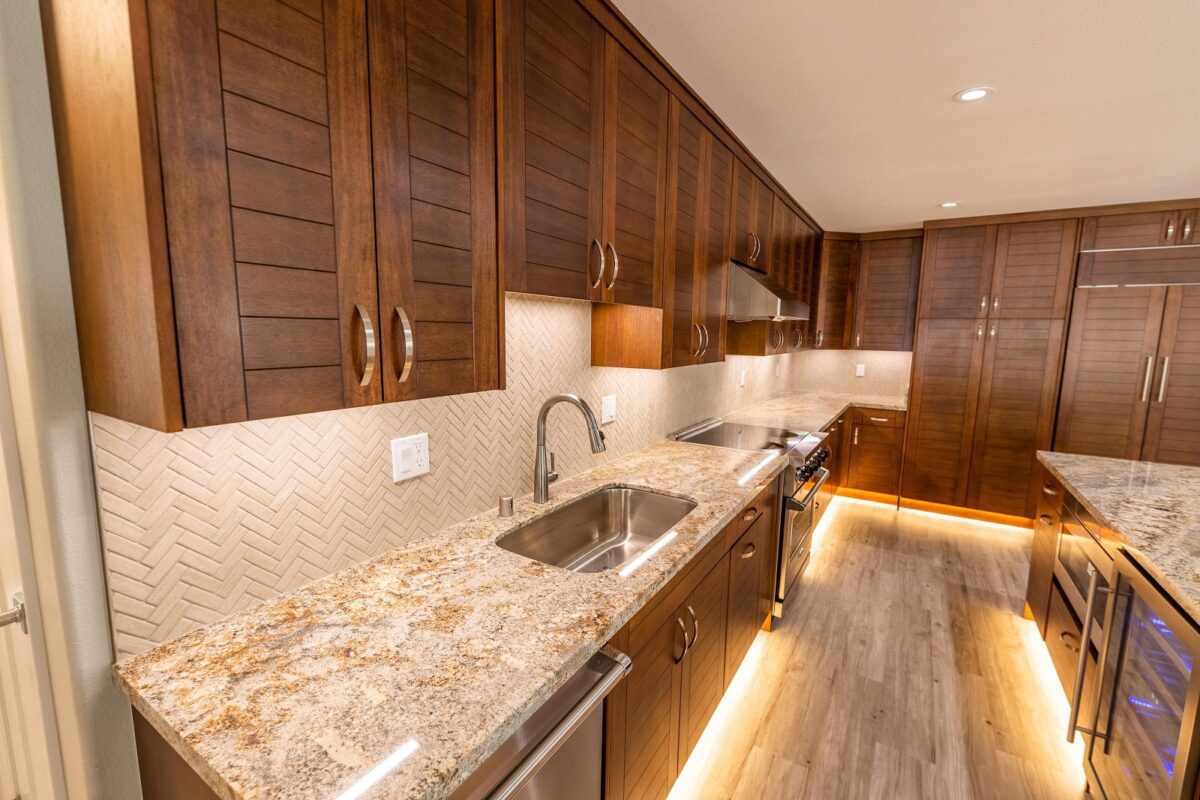
Engineered quartz continues to be a strong choice because it is non-porous and resists staining better than many natural stones. For cabinetry, you can consider materials that are less prone to warping in humid conditions. Matte finishes are also gaining popularity over high-gloss options, as they hide fingerprints and smudges better, keeping your kitchen looking clean with less effort.

Smart Storage for Cleaner Countertops

Space is often at a premium in Honolulu homes. To keep your kitchen feeling open, you need storage solutions that reduce clutter. The trend is moving toward kitchens where appliances and pantry items are tucked away.

You can look for cabinetry that includes appliance garages, which give you dedicated spots to hide toasters and coffee makers when not in use. Deep drawers often function better than lower cabinets, allowing you to access heavy pots and pans easily. When your countertops are clear, the entire room feels larger and more inviting.

Multi-Functional Islands

The kitchen island remains the centerpiece, but its role is expanding. It is no longer just a prep station; it is a dining table, a homework desk, and a buffet line.

You can design your island to handle these varied tasks. This might mean including a second sink, extra power outlets for devices, or an overhang that accommodates comfortable seating. A well-designed island directs traffic away from the cooking zone, allowing you to work safely while guests or family members relax nearby.

A kitchen renovation is a significant update that adds value to your daily life and your property. At Atlas Construction, we understand the unique requirements of building in Hawaii. Our design-build approach keeps your project on track and aligned with your vision. Contact us today to discuss your remodeling ideas.