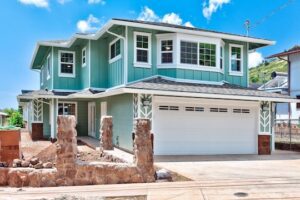
Building a custom home in Hawaii offers a chance to create a residence shaped by climate, culture, and place. The process rewards careful planning and informed decisions. Understanding what lies ahead helps set realistic expectations and supports confident choices from land selection through move-in.
Understanding Hawaii’s Unique Building Environment
Hawaii presents conditions that influence every stage of construction. Trade winds, salt air, sun exposure, and rainfall patterns affect design and material selection. Homes often benefit from orientation that captures breezes while limiting heat gain. Coastal areas introduce corrosion concerns, guiding choices toward finishes and fasteners suited for marine environments. Inland sites may face heavier rain or cooler evenings, shaping roof design and insulation strategies.
Navigating Land Selection and Zoning Requirements
Land selection carries added complexity across the islands. Lava zones, shoreline setback rules, agricultural designations, and conservation districts shape what can be built. Each county maintains its own zoning codes and review processes. Early due diligence includes verifying utility access, road frontage, and drainage requirements. Engaging professionals familiar with local regulations helps avoid redesigns later in the process.
Permitting and Approval Timelines
Permitting in Hawaii requires patience and preparation. Plans typically pass through multiple departments, including planning, building, and environmental review. Coastal or hillside properties may involve additional studies. Clear documentation, accurate surveys, and responsive coordination with reviewers support steady progress. Timelines vary by island and project scope, making early scheduling discussions essential.
Designing for Island Living
Custom home design in Hawaii balances comfort, resilience, and lifestyle. Open floor plans encourage airflow and connection to outdoor spaces. Covered lanais extend living areas while offering shade. Rooflines, window placement, and overhangs play a critical role in managing sun and rain. Many homeowners prioritize durability alongside aesthetics, selecting materials that age well under island conditions.
Construction Phases and Local Considerations
Once permits are secured, construction begins with site preparation that may include grading, retaining walls, or foundation systems adapted to volcanic soil. Shipping schedules influence material availability, so sequencing becomes especially important. Skilled local trades bring valuable insight into proven building practices. Regular communication keeps expectations aligned as the project advances through framing, mechanical systems, and finishes.
Budget Planning and Long-Term Value
Budget planning benefits from a detailed scope and realistic allowances. Transportation costs, material lead times, and specialized labor influence pricing. A thoughtful approach focuses on long-term performance and maintenance needs rather than short-term savings. Investing in quality systems and construction methods supports comfort, efficiency, and peace of mind for years ahead.
Building a custom home in Hawaii becomes a rewarding experience when guided by knowledge and local expertise. Clear expectations, informed choices, and collaborative planning create a path toward a home that fits both its setting and its owners.
At Atlas Construction Inc., our team guides Hawaii homeowners from concept to keys with planning, local insight, and dependable craftsmanship. Start a conversation to explore site feasibility, schedules, and cost clarity, supported by professionals who respect island conditions and your long-term vision.