Living with extended family offers many benefits, from shared expenses to closer relationships between grandparents and grandchildren. In Hawaii, this lifestyle is common, yet it comes with a distinct challenge: finding enough personal space. When you bring multiple generations under one roof, maintaining privacy requires more than just extra square footage. It requires a design that respects your independence.
Create Distinct Zones with Separate Entrances
The most effective way to secure privacy is through the floor plan. A standard layout often leads to too much overlap in daily movements. Instead, you should consider a design that creates specific zones for each part of the family.
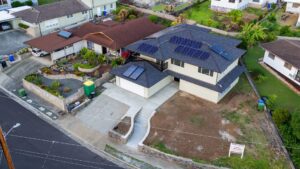
Adding a second story or a dedicated wing often works best. This setup effectively creates a “home within a home.” One of the most practical features you can include is a separate exterior entrance. This allows you or your family members to come and go without walking through the main living areas. It is particularly helpful if you have adult children with late work schedules or grandparents who prefer a quiet routine.
Prioritize Sound Control
Visual privacy is obvious, but acoustic privacy is just as valuable. If you can hear every conversation or footstep from the next room, the home will feel crowded.
During the design phase, you can request high-quality insulation in shared walls and between floors. Solid-core doors also help dampen noise better than standard hollow doors. When you reduce noise transfer, the home feels more peaceful, allowing you to relax without distractions from the rest of the household.
Include Secondary Living Spaces
The kitchen is the heart of the home, but sharing it for every meal can cause friction. While a large, central kitchen serves well for family gatherings, you might find that secondary options provide necessary relief.
Incorporating a wet bar or a kitchenette in the auxiliary unit gives you autonomy. It allows for simple tasks like making coffee or preparing a late-night snack without entering the main gathering areas. This separation of daily tasks reduces traffic in the main kitchen and lets you keep your own schedule.
Plan for Future Mobility
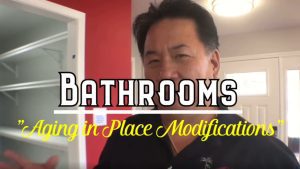
When designing for the long term, you must look ahead. Your family’s needs will change. Designing with accessibility in mind keeps the home functional for years.
This involves planning for wider hallways, lever-style door handles, and curbless showers. Integrating these features now is more efficient than adding them later. If you are building a two-story addition, you might want to stack closets to create a shaft for a future elevator. This foresight protects your investment and keeps the home usable for older family members.
Building a home that accommodates everyone requires experience. At Atlas Construction, we have spent four generations helping Honolulu families build spaces that work for their specific dynamics. Our team manages the entire design-build process, helping you create a home where every generation has room to thrive. Schedule a consultation today or view our portfolio.