
A DIY renovation almost always costs more than the price tag on your materials. Between permit fees, tool rentals, mistakes that need fixing, and the value of your own time, homeowners in Honolulu often spend more trying to save money than they would have spent hiring a licensed contractor from the start. Knowing where these hidden costs come from helps you decide when a project is truly a weekend job and when it is time to call a professional.
Why DIY Renovations Cost More Than They Look Like They Will
The sticker price of a DIY renovation is only the beginning. Materials are the easy part to budget for. The expenses that catch homeowners off guard are the ones that show up after the project has already started, when there is no turning back without losing money already spent.
In Honolulu, this pattern shows up often. A homeowner plans a simple bathroom refresh, buys the tile and fixtures, and starts tearing out the old shower. Then they find water damage behind the wall that was never visible before. Now the “simple” project needs new drywall, possibly new plumbing, and a mold inspection. What was supposed to be a $2,000 weekend project turns into a multi-week ordeal that costs far more than if a contractor had scoped the whole job upfront.
This is not a rare story. It is the normal outcome of renovating without the training to spot problems before they become expensive. A licensed remodeling team knows what to look for behind walls, under floors, and around plumbing lines before a single wall comes down.
The Real Cost of Permits and Inspections
Permit fees and inspection delays are one of the most overlooked costs in a DIY renovation. Homeowners often skip this step entirely, which can lead to fines, forced teardowns, or problems selling the home later. Even when permits are pulled correctly, the process takes longer without someone who knows the local system.
Honolulu has its own building codes, and pulling permits without experience means learning the process from scratch. Every mistake on a permit application can mean weeks of delay while you resubmit paperwork. A contractor who works in the same county office every month knows exactly what the inspector will look for and how to avoid the back and forth that eats up a DIY timeline.
Skipping the permit altogether is even riskier. Unpermitted work can come back to bite you during a home sale, when a buyer’s inspector flags it and either kills the deal or forces a price reduction. Insurance companies can also deny claims tied to unpermitted renovations, leaving you fully responsible for any damage that happens later.
Tool and Equipment Rental Adds Up Fast
Most homeowners do not own the specialized tools that a real renovation requires. Renting them by the day or week can quietly become one of the largest costs in a DIY project, especially when the job takes longer than planned.
A tile saw, a full scaffolding set, a plumbing snake, or a demolition hammer are not things sitting in most garages. Rental shops charge daily rates that stack up quickly if a project stretches from a weekend into two or three weeks, which is common once unexpected problems show up. Add in delivery fees, deposits, and the cost of any tool damaged during use, and the rental bill alone can rival what a contractor would have charged for labor.
There is also a learning curve with unfamiliar tools. A first-time user working with a tile saw or a nail gun works slower and makes more mistakes than someone who uses that same tool every day. Slower work means longer rental periods, which means higher costs, and it also raises the risk of an injury that turns a home project into a trip to the emergency room.
Mistakes That Cost More to Fix Than to Prevent
Every DIY renovation carries the risk of a mistake that has to be undone and redone, and redoing work almost always costs more than doing it right the first time. Materials get wasted, labor gets duplicated, and sometimes the mistake damages something that was fine before the project started.
Electrical work is one of the clearest examples. A homeowner who wires a new outlet incorrectly might not notice the problem right away, but a faulty connection can become a fire hazard months later. Fixing bad electrical work often means opening up a wall that was already closed, which adds drywall repair and repainting on top of the original electrical fix. Plumbing mistakes follow the same pattern. A poorly sealed connection might hold for a few weeks before it starts leaking behind a cabinet, causing water damage that costs thousands to repair.
Even cosmetic mistakes have a price. Tile laid without the right spacing or a paint job with poor prep work often needs to be torn out and redone, which means paying for materials twice.
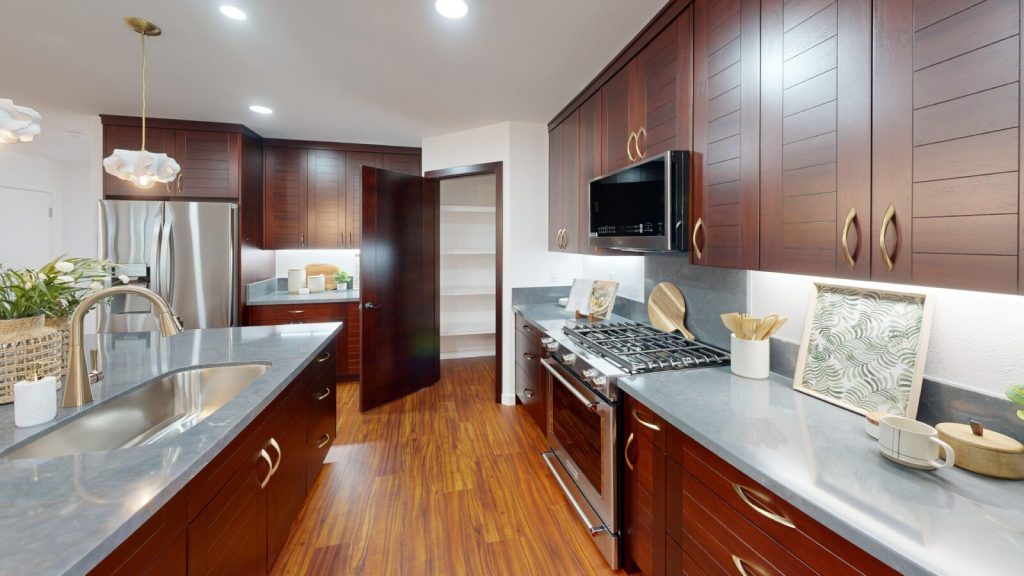
A kitchen or bathroom remodel benefits from a professional’s eye because these mistakes are avoidable when someone with experience is handling the layout and installation from the start.
The Cost of Your Own Time
Time is a real cost, even when it does not show up on a receipt. Every hour spent on a DIY renovation is an hour not spent at work, with family, or simply resting, and for many homeowners in Hawaii, that trade-off is more expensive than it first appears.
A renovation that a professional crew finishes in a week can stretch into a month or more for a homeowner working nights and weekends. During that time, the kitchen might be unusable, the bathroom might be down to one working fixture, or the whole house might be covered in dust. Living through an extended renovation has a real cost in stress, lost convenience, and sometimes lost income if the project pulls focus away from work.
There is also the opportunity cost of skills you do not have yet. Learning to tile a shower correctly takes practice, and your first attempt is rarely your best work. Professionals have already made those early mistakes on other jobs, which is part of what you are paying for when you hire one.
Insurance and Liability Gaps
Homeowners insurance does not always cover damage caused by DIY renovation work, and this is one of the most expensive surprises a person can run into. If a mistake during a DIY project causes water damage, a fire, or a structural issue, some insurers will deny the claim because the work was not done by a licensed professional.
This gap becomes even more serious if someone gets hurt during the project. A friend or family member helping with demolition or heavy lifting is not covered the same way an employee of a licensed contractor would be. If an injury happens on your property during a DIY renovation, you could be personally liable for medical costs, especially if the injury involved a tool or material you provided.
Working with a licensed contractor removes this risk. A properly insured company carries coverage for its workers and its work, which protects the homeowner from liability if something goes wrong during construction.
Signs a Project Is Too Big for DIY
Some renovations are genuinely safe to tackle without a contractor, like painting a room or replacing cabinet hardware. Others carry risks that are not obvious until the work is already underway. Knowing which category your project falls into can save you from an expensive mistake.
Any project that touches structural elements, like removing a wall or altering a roofline, should never be a DIY job. Structural changes require an understanding of load-bearing points that most homeowners do not have, and a mistake here can compromise the entire home. Electrical and plumbing work that goes beyond a simple fixture swap also falls into this category, since both systems have safety codes that exist for good reason.
Projects that involve multiple trades working together are another sign that professional help is worth the cost. A full home remodel that touches electrical, plumbing, flooring, and layout all at once is difficult to coordinate without experience managing subcontractors and timelines. A home addition is an even clearer case, since it involves permits, structural work, and coordination between multiple crews from the ground up.
If a project in your Honolulu home involves any of these elements, the cost of hiring a contractor is often lower than the true cost of doing it yourself once every hidden expense is added up.
What a Professional Renovation Actually Includes
When you hire a licensed contractor, you are paying for more than labor. You are paying for a team that catches problems before they become expensive, manages permits correctly the first time, and carries the insurance that protects you if something unexpected happens.
A design build contractor also brings buying power that individual homeowners do not have access to. Material suppliers offer better pricing to contractors who order in volume across many projects, which can offset some of the labor cost that homeowners assume makes professional work more expensive. This is part of why a full-service renovation often ends up closer in price to a DIY project than most people expect, once every hidden DIY cost is factored in.
Professional project management also means someone is tracking the budget and timeline for you. Instead of guessing how long a project will take or hoping the budget holds, a contractor gives you a real plan with real numbers, and adjusts as the project moves forward. For homeowners in Honolulu who value their time as much as their money, this kind of oversight is often the deciding factor between doing it yourself and calling a professional.
Frequently Asked Questions
Is it cheaper to DIY a bathroom renovation?
It often looks cheaper at first, but hidden costs like tool rental, permit delays, and fixing mistakes usually close the gap. Once you add up wasted materials and the value of your own time, a professionally managed renovation is frequently close in cost, with far less risk.
What renovations are safe to DIY?
Cosmetic updates like painting, replacing cabinet hardware, or installing shelving are generally safe for most homeowners. Anything involving electrical, plumbing, or structural changes should be left to a licensed professional.
Do I need a permit for a home renovation in Honolulu?
Most renovations that involve electrical, plumbing, or structural changes require a permit in Honolulu. Skipping this step can lead to fines, insurance denials, and problems when you eventually sell your home.
What happens if my homeowners insurance denies a DIY renovation claim?
If damage occurs from unlicensed DIY work, some insurers will deny the claim, leaving the homeowner responsible for the full repair cost. Hiring a licensed and insured contractor removes this risk.
How do I know if my renovation project needs a contractor?
If the project touches structural elements, electrical systems beyond a simple fixture swap, or plumbing lines, it is worth calling a contractor. Projects involving multiple trades working together also benefit from professional coordination.
Final Thoughts
A DIY renovation can feel like the budget-friendly choice, but the hidden costs of permits, tools, mistakes, lost time, and insurance gaps often add up to more than homeowners expect. The projects most likely to go over budget are the ones that touch structural, electrical, or plumbing work, or that involve coordinating multiple trades at once. Knowing where these costs hide before you start can help you decide whether a project is truly a weekend job or one that calls for a professional.
Atlas Construction has spent five generations building and remodeling homes across Hawaii, and we have seen firsthand what happens when a renovation goes over budget without the right planning. We manage every phase of a project, from the first design conversation to the final walkthrough, so our clients never have to guess what a job will cost or worry about permits, insurance, or unexpected repairs along the way. Our design build approach means one team handles your entire renovation under one roof, with the buying power and experience to keep your project on budget and on schedule. If you are weighing a DIY project against hiring a professional, schedule a free consultation with our team and we will walk you through what your project really involves.