Stay Connected:

Categories
Atlas Construction Blog

Planning Storage and Functionality Into a Custom Home from the Beginning

Designing a custom home creates an opportunity to shape how daily life unfolds inside each room. Storage and functionality should be considered early in the design process so that every space works efficiently without feeling crowded. When storage is planned alongside layout decisions, homeowners gain practical solutions that support routines, reduce clutter, and improve comfort over the long term.

Designing Storage Around Daily Routines

The most effective storage plans begin with an honest look at how a household functions. Kitchens may need dedicated areas for small appliances, bulk food storage, and cookware that reflects cooking habits. Families who prepare meals frequently benefit from deeper drawers for pots, vertical tray storage, and walk-in pantries that allow clear visibility of supplies.

Entry areas deserve equal attention. Shoes, seasonal gear, and bags can accumulate quickly without a structured system. Built-in benches with hidden compartments and tall cabinets for coats help maintain order while keeping essentials within reach.

Laundry spaces often perform better when they include sorting bins, folding counters, and shelving for cleaning supplies. Locating these features near bedrooms or main traffic paths reduces unnecessary movement and supports efficient routines.

Built-In Solutions That Maximize Space

Custom homes allow storage to be integrated into architectural features instead of added later. Built-in cabinetry uses wall space efficiently and reduces the need for large standalone furniture. This approach keeps rooms open while providing consistent storage capacity.

Window seats with concealed compartments create usable storage in areas that might otherwise remain empty. Staircases can incorporate drawers or cabinets that hold seasonal items or tools. Hallways can support shallow cabinets designed for linens or household supplies.

Closets benefit from thoughtful planning as well. Adjustable shelving, double hanging rods, and dedicated sections for shoes or accessories increase usable space without expanding the footprint of the home. Walk-in closets perform best when pathways and storage zones are carefully balanced so that every section remains accessible.

Planning Flexible Spaces for Changing Needs

A well-designed home anticipates future changes in lifestyle. Storage systems that adapt over time prevent expensive renovations later. Shelving that can be repositioned or expanded allows spaces to evolve as family needs shift.

Multipurpose rooms benefit from concealed storage that supports different activities. A home office may require filing space and equipment storage, yet later serve as a guest room or study area. Built-in cabinets and wall storage allow the room to transition smoothly.

Garage planning often receives limited attention during design, yet it plays a major role in household organization. Wall-mounted storage, overhead racks, and designated work zones help maintain order and keep vehicles accessible. Clear circulation paths make these areas safer and easier to use.

Coordinating Storage With Overall Design

Storage works best when it blends naturally with the visual character of the home. Cabinet finishes, hardware, and trim details should complement surrounding materials so that storage areas feel intentional rather than secondary.

Lighting also improves storage usability. Interior cabinet lighting, closet fixtures, and well-placed overhead lights make it easier to locate items quickly. Electrical outlets inside cabinets support charging stations and small appliances while keeping surfaces clear.

Early collaboration between homeowners, designers, and builders ensures that structural framing, mechanical systems, and storage features work together. Careful planning produces a home where organization feels natural, and spaces remain comfortable for many years.

At Atlas Construction Inc., we help homeowners design custom spaces with thoughtful storage and practical layouts. Work with a team that plans carefully and builds with precision so your home supports your routines with comfort, organization, and lasting quality.
Categories
Atlas Construction Blog

Home Additions That Add Real Value in Hawaii’s Housing Market

Home additions in Hawaii require careful thought. Limited land, strict zoning, climate conditions, and buyer expectations shape which improvements truly strengthen resale value. Strategic additions respect these realities while enhancing daily living. The following options consistently support strong returns in Hawaii’s housing market.

Expanded Living Spaces That Improve Flow

Open and flexible living areas attract buyers seeking homes that feel calm and functional. Thoughtful expansions to living rooms, family rooms, or kitchens help properties feel larger without overwhelming the footprint. In Hawaii, indoor spaces that connect visually to the outdoors perform especially well.

Extending a living area toward a lanai or garden increases perceived space and supports natural ventilation. Buyers appreciate layouts that encourage gatherings while maintaining a sense of ease. When expansions preserve proportion and natural light, they align with local design preferences and improve overall livability.

Additional Bedrooms Designed for Multi-Generational Living

Many Hawaii households include extended family or welcome frequent guests. Adding a bedroom suite with a private bath responds to this reality and appeals to a wide buyer pool. These additions support privacy while accommodating changing family needs.

Well-designed bedroom additions near separate entrances or quieter areas of the home often feel intentional rather than added later. Buyers recognize the flexibility such spaces provide, whether for aging parents, visiting relatives, or rental opportunities where permitted.

Outdoor Living Areas That Extend Daily Use

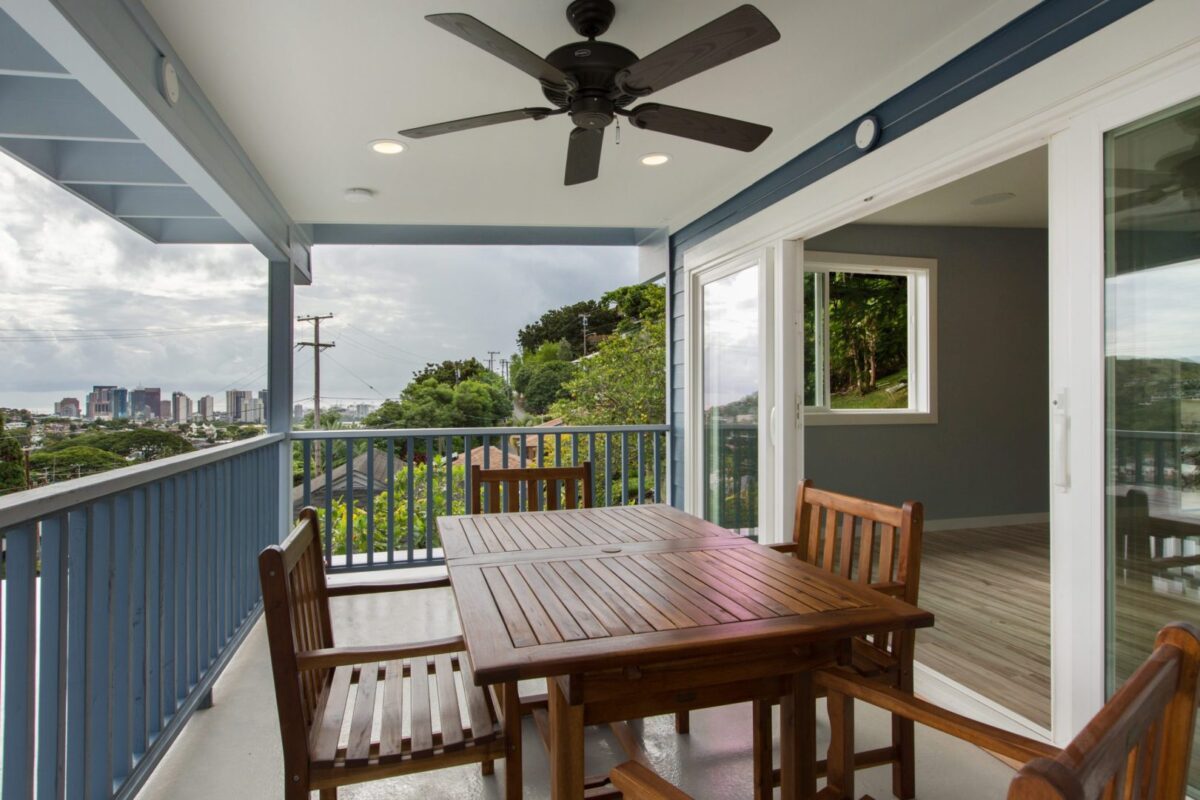
Outdoor living holds strong value in Hawaii due to the climate and lifestyle. Covered lanais, screened patios, and shaded gathering areas increase usable space while protecting against sun and rain. These additions support daily routines such as dining, relaxing, and entertaining.

High-quality materials that handle humidity and salt air preserve long-term appeal. Buyers look for outdoor areas that feel integrated with the home rather than temporary structures. When designed for comfort and durability, these spaces contribute significantly to perceived value.

Kitchen Expansions That Support Function and Entertaining

Kitchens often shape buyer decisions. Expanding a kitchen to improve circulation, storage, and workspace increases both usability and appeal. In Hawaii, kitchens that support entertaining while maintaining efficiency perform especially well.

Additional counter space, pantry storage, and seating areas enhance everyday use. Buyers respond positively to layouts that balance openness with practicality. When kitchen expansions respect existing architecture and improve flow, they strengthen market value without overpowering the home.

Bathroom Additions That Reduce Daily Friction

Homes with adequate bathrooms meet modern expectations. Adding a well-placed bathroom reduces daily congestion and improves comfort for families and guests. Primary suite bathrooms and additional guest baths consistently support resale value.

In Hawaii, ventilation and moisture management remain essential. Buyers appreciate bathrooms that feel fresh and thoughtfully designed. Quality fixtures, durable finishes, and efficient layouts signal long-term reliability and care.

Home Office or Flex Spaces That Adapt Over Time

Flexible rooms that serve as offices, studios, or wellness spaces appeal to buyers seeking adaptability. Adding a dedicated flex space supports work routines, creative pursuits, or quiet retreats without committing the home to a single purpose.

Designs that allow easy conversion between uses increase appeal across different buyer lifestyles. Natural light, sound control, and storage elevate these spaces from basic additions to valued assets.

At Atlas Construction Inc., we help Hawaii homeowners plan additions that strengthen comfort, functionality, and long-term property value. From design guidance to skilled execution, our team builds with local insight and care. Contact us to discuss your home’s next chapter.

Categories
Atlas Construction Blog

What to Expect When Building a Custom Home in Hawaii

Building a custom home in Hawaii offers a chance to create a residence shaped by climate, culture, and place. The process rewards careful planning and informed decisions. Understanding what lies ahead helps set realistic expectations and supports confident choices from land selection through move-in.

Understanding Hawaii’s Unique Building Environment

Hawaii presents conditions that influence every stage of construction. Trade winds, salt air, sun exposure, and rainfall patterns affect design and material selection. Homes often benefit from orientation that captures breezes while limiting heat gain. Coastal areas introduce corrosion concerns, guiding choices toward finishes and fasteners suited for marine environments. Inland sites may face heavier rain or cooler evenings, shaping roof design and insulation strategies.

Navigating Land Selection and Zoning Requirements

Land selection carries added complexity across the islands. Lava zones, shoreline setback rules, agricultural designations, and conservation districts shape what can be built. Each county maintains its own zoning codes and review processes. Early due diligence includes verifying utility access, road frontage, and drainage requirements. Engaging professionals familiar with local regulations helps avoid redesigns later in the process.

Permitting and Approval Timelines

Permitting in Hawaii requires patience and preparation. Plans typically pass through multiple departments, including planning, building, and environmental review. Coastal or hillside properties may involve additional studies. Clear documentation, accurate surveys, and responsive coordination with reviewers support steady progress. Timelines vary by island and project scope, making early scheduling discussions essential.

Designing for Island Living

Custom home design in Hawaii balances comfort, resilience, and lifestyle. Open floor plans encourage airflow and connection to outdoor spaces. Covered lanais extend living areas while offering shade. Rooflines, window placement, and overhangs play a critical role in managing sun and rain. Many homeowners prioritize durability alongside aesthetics, selecting materials that age well under island conditions.

Construction Phases and Local Considerations

Once permits are secured, construction begins with site preparation that may include grading, retaining walls, or foundation systems adapted to volcanic soil. Shipping schedules influence material availability, so sequencing becomes especially important. Skilled local trades bring valuable insight into proven building practices. Regular communication keeps expectations aligned as the project advances through framing, mechanical systems, and finishes.

Budget Planning and Long-Term Value

Budget planning benefits from a detailed scope and realistic allowances. Transportation costs, material lead times, and specialized labor influence pricing. A thoughtful approach focuses on long-term performance and maintenance needs rather than short-term savings. Investing in quality systems and construction methods supports comfort, efficiency, and peace of mind for years ahead.

Building a custom home in Hawaii becomes a rewarding experience when guided by knowledge and local expertise. Clear expectations, informed choices, and collaborative planning create a path toward a home that fits both its setting and its owners.

At Atlas Construction Inc., our team guides Hawaii homeowners from concept to keys with planning, local insight, and dependable craftsmanship. Start a conversation to explore site feasibility, schedules, and cost clarity, supported by professionals who respect island conditions and your long-term vision.

Categories
Atlas Construction Blog

Top Kitchen Design Trends for Honolulu Homes in 2026

The kitchen is more than a place to cook; it is where your day begins and ends. In Honolulu, kitchen design moves differently than on the mainland. You have to account for the tropical climate, the local lifestyle, and the specific way Hawaii families gather. If you are planning a remodel for the coming year, you should look for designs that blend durability with an open, airy flow.

Seamless Indoor-Outdoor Flow

In Hawaii, the boundary between inside and outside is often fluid. A top priority for 2026 is removing the barriers that separate your kitchen from your lanai—the open-sided veranda or outdoor patio. You can achieve this by installing large sliding glass doors or pass-through windows.

This design choice creates a single, expansive entertaining area. It allows you to prep food indoors while still being part of the conversation happening outside. It also maximizes natural light and trade winds, keeping your kitchen cooler and reducing the need for artificial lighting during the day.

Materials That Withstand the Elements

When you live in an island environment, your materials need to be tough. Salt air and humidity can wear down standard finishes quickly. You should choose surfaces that resist moisture and are easy to maintain.

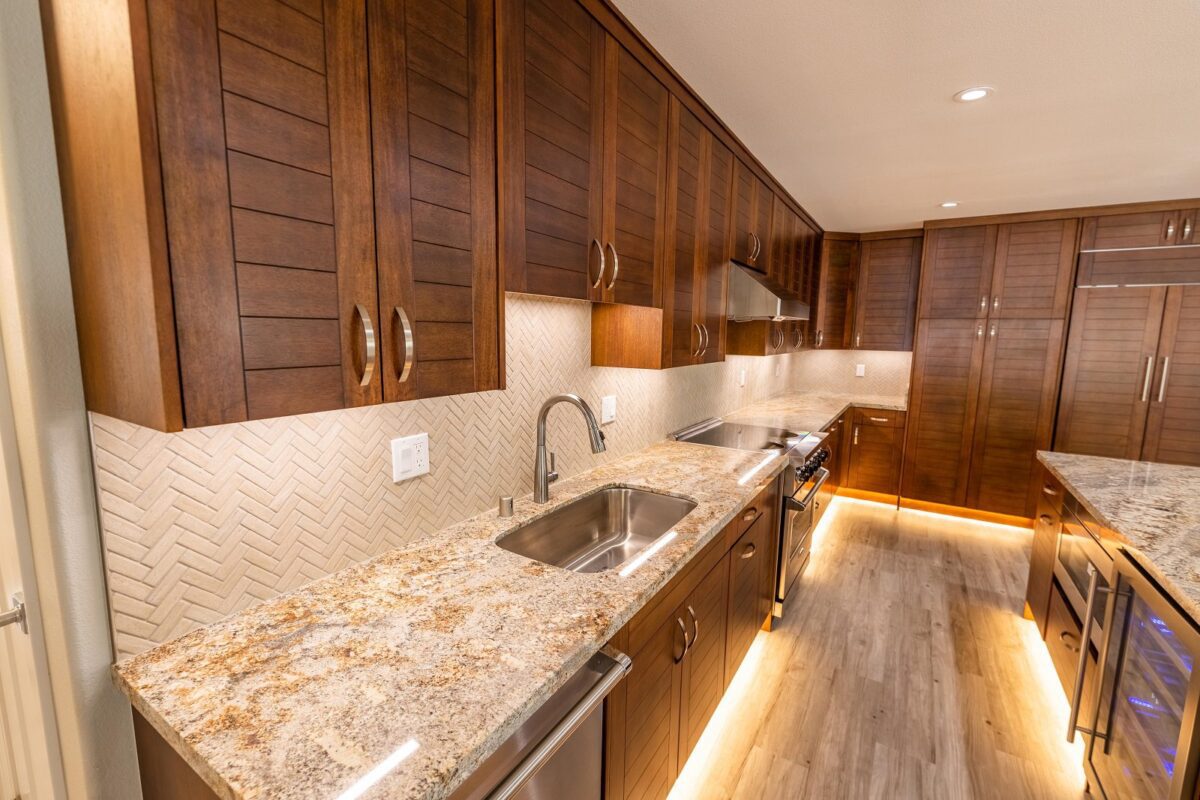
Engineered quartz continues to be a strong choice because it is non-porous and resists staining better than many natural stones. For cabinetry, you can consider materials that are less prone to warping in humid conditions. Matte finishes are also gaining popularity over high-gloss options, as they hide fingerprints and smudges better, keeping your kitchen looking clean with less effort.

Smart Storage for Cleaner Countertops

Space is often at a premium in Honolulu homes. To keep your kitchen feeling open, you need storage solutions that reduce clutter. The trend is moving toward kitchens where appliances and pantry items are tucked away.

You can look for cabinetry that includes appliance garages, which give you dedicated spots to hide toasters and coffee makers when not in use. Deep drawers often function better than lower cabinets, allowing you to access heavy pots and pans easily. When your countertops are clear, the entire room feels larger and more inviting.

Multi-Functional Islands

The kitchen island remains the centerpiece, but its role is expanding. It is no longer just a prep station; it is a dining table, a homework desk, and a buffet line.

You can design your island to handle these varied tasks. This might mean including a second sink, extra power outlets for devices, or an overhang that accommodates comfortable seating. A well-designed island directs traffic away from the cooking zone, allowing you to work safely while guests or family members relax nearby.

A kitchen renovation is a significant update that adds value to your daily life and your property. At Atlas Construction, we understand the unique requirements of building in Hawaii. Our design-build approach keeps your project on track and aligned with your vision. Contact us today to discuss your remodeling ideas.