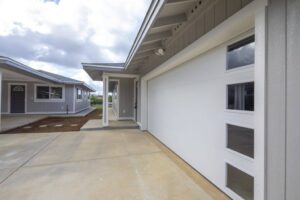
Starting a new home build on Oahu, Honolulu, requires careful planning around permits, land conditions, budget expectations, contractor selection, and long-term durability. The island has unique building rules and environmental factors that directly affect cost, timeline, and design decisions. Understanding these early helps avoid delays and unexpected expenses during construction.
For families working with a builder like Atlas Construction Inc. in Honolulu, these early decisions shape how smoothly the entire project moves from design to completion.
1. How Do Permits And Zoning Work For A New Home Build On Oahu?
Permits and zoning rules on Oahu determine what you can build, where you can build it, and how large your home can be. Every residential project in Honolulu goes through the City and County of Honolulu Department of Planning and Permitting, and approval times vary based on project complexity and location. These rules are strict because land is limited and environmental protection is a priority across the island.
In Honolulu and surrounding Oahu communities, zoning also controls setbacks, height limits, shoreline restrictions, and drainage requirements. Some areas may require additional approvals if the property sits near conservation land or flood zones. This means even simple design changes can require updated submissions.
A common mistake homeowners make is assuming mainland timelines apply in Oahu. In reality, permit approval can take several weeks to several months, depending on revisions. Working with an experienced local contractor helps reduce errors in submission packages and avoids repeated rejections that slow down the build.
2. What Budget Factors Should You Expect Before Building In Honolulu?
A new home build on Oahu often costs more than many mainland locations due to material shipping, labor demand, and land availability. Budget planning must account for more than just construction. It includes permits, design fees, utility connections, site preparation, and contingency reserves.
Material costs in Honolulu are influenced by import timelines and supply chain limitations. Even standard items like lumber or fixtures may take longer to arrive, which can affect scheduling and storage costs. Labor costs also reflect the high demand for skilled trades across Oahu.
Unexpected expenses are common when soil conditions or site access require additional work. Sloped land, rock excavation, or retaining walls can significantly change the total budget. A realistic financial plan includes at least a contingency buffer to handle adjustments without stopping construction.
3. How Does Site Selection Affect Your Build On Oahu?
Site selection on Oahu plays a major role in structural design, cost, and long-term maintenance. Land varies widely across Honolulu, from coastal lots exposed to salt air to hillside properties with drainage challenges. Each location requires different engineering solutions.
Wind exposure is another factor. Areas facing strong trade winds may need reinforced framing and specific window placement to improve comfort and efficiency. Soil conditions also vary and may require geotechnical testing before foundation design is approved.
Choosing the right site is not only about views or neighborhood preference. It also determines how complex your build will be. A flat, accessible lot may reduce construction time, while steep terrain may require retaining systems and specialized foundations that increase cost and timeline.
4. Why Is Choosing The Right Contractor Critical In Honolulu?
Choosing the right contractor determines how efficiently your project moves through planning, permits, and construction. A local builder familiar with Honolulu regulations can anticipate approval requirements and reduce delays caused by incomplete documentation or design conflicts.
Atlas Construction Inc. in Honolulu brings over 30 years of experience managing full home construction projects across Oahu. A contractor with local knowledge understands how island logistics affect scheduling, material delivery, and subcontractor coordination. This experience helps avoid common setbacks that first-time builders often face.
Communication is another key factor. A reliable contractor provides clear updates, manages expectations, and ensures design decisions align with budget and timeline. Without this structure, small misalignments can turn into costly revisions later in the build.
5. How Should Your Home Design Adapt To Oahu’s Climate?
Home design on Oahu must account for humidity, salt air exposure, wind patterns, and heavy rainfall. These environmental conditions directly impact material performance and long-term maintenance needs. Design decisions made early can reduce repair costs in the future.
Ventilation is essential in Honolulu homes. Proper airflow reduces moisture buildup, which helps prevent mold and material deterioration. Roof design also matters, as steep slopes and durable waterproofing systems improve rain runoff during seasonal storms.
Windows and exterior finishes should be selected for durability rather than appearance alone. Materials resistant to corrosion and fading perform better in coastal environments. Many homeowners in Oahu also prioritize shaded outdoor living spaces to balance sunlight exposure and comfort.
6. What Timeline Should You Expect For A New Home Build?
A new home built on Oahu typically takes longer than expected due to permit processing, material delivery schedules, and weather-related delays. Even well-planned projects in Honolulu can experience timing shifts depending on approval cycles and supply availability.
The construction timeline usually begins with design and permitting, followed by site preparation, foundation work, framing, and finishing stages. Each phase depends on the previous one being fully approved, which limits how much overlap is possible.
Island logistics also affect timing. Materials often arrive by scheduled shipments, meaning delays in one delivery can pause multiple tasks. A structured timeline with built-in flexibility helps prevent frustration and keeps the project moving steadily, even when adjustments occur.
7. How Do Utilities And Infrastructure Impact Your Build?
Utility access on Oahu can influence both cost and construction planning. Water, sewer, electricity, and drainage connections may require additional coordination depending on the property’s location in Honolulu or the surrounding areas.
Some lots may not have direct access to municipal sewer systems and require septic solutions. Others may need extended utility runs, which increase excavation and installation work. These factors should be evaluated early during site planning.
Infrastructure planning also includes stormwater management. Heavy rain events in Honolulu require proper drainage systems to protect the foundation and surrounding land. Without early planning, water flow issues can lead to long-term structural concerns.
8. Why Do Change Orders Cause Delays In Oahu Home Builds?
Change orders occur when homeowners modify design decisions during construction. On Oahu, these changes can significantly impact timelines due to permit updates, material reordering, and scheduling conflicts with subcontractors.
Even small adjustments, such as shifting a wall or upgrading finishes, may require new approvals or engineering checks. Because materials are often shipped in scheduled batches, changes can also delay deliveries and increase costs.
Clear planning before construction begins reduces the need for mid-project changes. Working closely with your contractor during the design phase helps ensure expectations match the budget and build feasibility. This reduces disruption once construction is underway.
9. What Materials Work Best For Homes In Honolulu?
Material selection is one of the most important decisions in a new home build on Oahu. The coastal environment in Honolulu exposes homes to salt air, humidity, and strong sunlight, which can wear down standard materials faster than expected.
Corrosion-resistant metals, treated wood, and high-performance exterior finishes tend to perform better over time. Roofing materials should also be selected for heat reflection and water resistance to handle frequent rain and sun exposure.
Interior materials should focus on moisture control. Flooring, cabinetry, and insulation choices can all influence long-term durability and maintenance needs. Investing in quality materials upfront reduces repair frequency and extends the life of the home.
10. What Should You Check Before Breaking Ground?
Before breaking ground on a new home build in Honolulu, all planning documents, permits, site surveys, and budgets should be fully reviewed and approved. This stage ensures the project begins with fewer risks and fewer surprises during construction.
Site readiness is also important. Clearing, grading, and utility marking must be completed before foundation work begins. Any overlooked detail at this stage can cause delays once heavy construction starts.
A final walkthrough of plans with your contractor ensures alignment between design expectations and construction feasibility. Builders like Atlas Construction Inc. help families in Oahu confirm these details so the project starts on solid ground.
FAQ: New Home Build On Oahu
How long does it take to build a new home in Honolulu?
A typical new home build on Oahu can take several months to over a year, depending on permits, design complexity, and material availability. Delays often come from approvals and island shipping schedules.
Is building a home on Oahu more expensive than on the mainland?
Yes, construction costs in Honolulu are generally higher due to imported materials, labor demand, and limited land availability. Budget planning should include a contingency reserve.
Do I need a local contractor for building in Honolulu?
Working with a local contractor is highly recommended because they understand permitting rules, weather conditions, and supply logistics specific to Oahu.
What is the biggest delay in Oahu home construction?
Permit approvals and material shipping schedules are the most common causes of delays. Both can affect the overall project timeline significantly.
Conclusion
Building a new home on Oahu requires careful attention to permits, land conditions, budget planning, climate design, and contractor experience. Each decision made early directly influences cost, timeline, and long-term durability in Honolulu’s unique environment.
Atlas Construction Inc. in Honolulu supports homeowners through every stage of the new home build process, from design coordination to final construction, ensuring each project is managed with clarity and local expertise.
At Atlas Construction Inc., we help Honolulu families plan and build new homes with trusted local expertise, guiding every step from permits to completion with care and precision. Schedule a consultation with us today.