The dream of building a custom home in paradise is one many Hawaii residents share. From the stunning views of the Ko’olau mountains to the serene beaches of the North Shore, your home should be a reflection of the unique island lifestyle. But before you break ground, one of the most critical decisions you’ll make is choosing the right project delivery method: design-build or traditional Construction (often called design-bid-build).
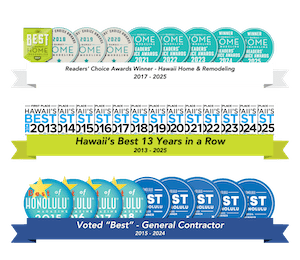
Voted Hawaii’s #1 general contractor, Atlas Construction Inc. has worked with local families for more than 25 years. With four generations of building experience, we have seen firsthand how each method works, where challenges appear, and which situations benefit from each approach. Over the years, we refined our process to give homeowners a smoother, more cost-effective experience from start to finish.
Here, we explore the distinct processes, benefits, and challenges of both models, allowing you to determine which path offers the best fit for your unique Hawaiian home project.
The Traditional Construction Model
Traditional construction has been the standard for decades. It is defined by separating the design and construction phases, requiring the homeowner to manage two distinct contracts and processes.
1. Design Phase (The Architect)
The homeowner first hires an independent architecture firm to develop all plans, specifications, and construction documents. This phase is completed without the direct input of the general contractor.
2. Bid Phase (The Contractor)
Once the design is finalized and the plans are complete, they are sent out to multiple general contractors to solicit competitive bids. The homeowner selects the general contractor based on these bids.
3. Build Phase (The Construction)
The general contractor executes the plans and specifications provided by the architect. The homeowner often acts as the intermediary, facilitating communication and resolving discrepancies between the architect’s plans and the builder’s execution.
Why Some Homeowners Prefer the Traditional Model
- Creative freedom during design. You can select an architect whose style matches your vision. Design work is often more open-ended, which can appeal to homeowners who want to experiment with layouts and aesthetics.
- Separate control over design and construction. Some people prefer having independent professionals for each stage. For those who like to manage decisions closely, the traditional model offers clear dividing lines.
- Competitive bidding. Comparing bids gives homeowners a sense of cost competition. It can feel reassuring to see several proposals before choosing a contractor.
Potential Challenges of the Traditional Model
Although traditional construction has benefits, Hawaii’s building environment adds a few complications homeowners should be aware of.
- Costs can change after the design phase. Architects design according to your vision, but they are not always tied to real-time material prices or labor conditions. This can lead to plans that exceed your budget once contractors price them.
- Higher risk of design conflicts. If the design includes details that are difficult or expensive to build, those issues appear only after you are already committed to the plans. The result is change orders, delays, or the need to revise drawings mid-project.
- More responsibility on the homeowner. In the traditional model, the homeowner is the main link between the designer and the contractor. When issues arise, you may spend time clarifying decisions, solving disputes, or navigating technical information.
- Longer timelines. Each phase depends on completing the previous one. When communication slows, the project slows with it.
Traditional construction works well for homeowners who want more hands-on involvement and have the time to manage the process. It is also suitable for smaller projects where design complexity is low. But for full builds or major remodels, the workload can grow quickly.
The Design-Build Model
Design-build places everything under one roof. The same company that designs your home also estimates costs, handles permitting, schedules trades, and builds the project. Decisions are made with cost, feasibility, and timelines in mind, which gives homeowners a clearer path from idea to finished home.
1. Unified Team & Conceptualization
The homeowner contracts with a design-build firm. The project begins with construction experts (estimators, project managers) and designers (architects, draftsmen) working together simultaneously.
2. Integrated Design and Cost Planning
Design and construction cost estimation happen concurrently. The design is developed with real-time feedback on materials, constructability, and budget impact.
a. Value Engineering: The builder’s purchasing power and material knowledge are integrated into the design decisions, ensuring the design is feasible and affordable within the client’s parameters.
b. Realistic Budgeting: This process aims to establish a more accurate, guaranteed final price earlier in the project lifecycle, minimizing the risk of budget surprises that arise when a designer’s vision exceeds a builder’s budget.
3. Streamlined Execution
With a single team, communication is simplified. Construction can often commence on site-prep or long-lead item procurement while final design details are being approved, accelerating the overall project timeline.
Why Many Hawaii Homeowners Consider Design Build
- One team works together from the start. Your designer, estimator, and builder communicate daily. Questions get answered faster, and the team designs with construction realities in mind.
- Better alignment between budget and design. Because costs are reviewed while plans are being created, you avoid surprises later. Homeowners get more predictability and fewer mid-project changes.
- Streamlined permitting. A single team ensures the plans meet local codes, which helps avoid permit delays. This is especially important in counties with backlog or strict requirements.
- Smoother communication. With one point of contact, you skip the stress of coordinating between separate companies.
Situations Where Design Build Shines
In Hawaii, design-build tends to be especially helpful when:
- You are working with a strict or realistic budget
- You need guidance on how to maximize space on small or irregular lots
- You want faster project timelines
- You prefer a simpler experience with fewer moving parts
- Rising material costs require up-to-date cost planning
- You want a project that accounts for local conditions such as moisture, wind, and slope
Design-build does not eliminate challenges, but it reduces the guesswork that often pushes projects over budget or behind schedule.
How Hawaii’s Conditions Influence Your Choice
Hawaii adds layers of complexity that mainland construction does not always face. These factors can influence which method works best.
1. Higher Material Costs
Hawaii has the highest land and construction costs of any state in the country. Shipping, supply shortages, and changes in availability make cost planning critical. If design and construction are separate, it is easier for a homeowner to end up with a design that costs more to build than expected.
2. Tight and Unique Lots
Many Hawaii lots are sloped, narrow, older, or located in established neighborhoods. Designs must be accurate, practical, and engineered from the beginning to avoid revisions later.
3. Local Weather and Environmental Factors
Humidity, ocean air, wind exposure, and storm safety require thoughtful material selection. If designers and builders are not on the same page, the home may need modifications later.
4. Permitting Realities
County permitting can be slow. Incomplete or inaccurate plans add more time. A coordinated team often produces plans that pass review more smoothly.
These are not deal breakers for traditional construction, but they highlight why careful coordination is so important in Hawaii.
What Sets Atlas Construction Apart
In the challenging construction landscape of Hawaii, where specialized materials, logistics, and local regulations dictate much of the process, the efficiency of the delivery method is magnified.
This is why Atlas Construction champions the design-build approach. We have perfected a low-overhead business model based on our four generations of experience that directly benefits you:
- Buying Power & Value: Our established relationships and significant volume allow us to secure buying power from major building material suppliers. This advantage, combined with our low-overhead structure, means our general contractors can incorporate high-quality materials and creative solutions to work effectively with just about any realistic budget.
- Experience & Expertise: Our full-service team includes experienced and creative Hawaii general contractors who know the nuances of island building, from navigating local permitting to understanding the best materials for coastal environments.
- Proven Process: Our integrated approach is designed to simplify your experience. We manage the collaboration, the budget, and the schedule, ensuring the transition from a vision to a finished home is smooth and rewarding.
There is no one-size-fits-all answer when choosing between design-build and traditional construction. Both approaches have strengths, and both can produce a home you love. The best path depends on your comfort level, your timeline, your budget, and how much coordination you want to manage.
Traditional construction works well for homeowners who prefer separate designers and builders and want more direct involvement. Design-build often appeals to homeowners who want a unified team, clearer budgeting, and a process shaped around Hawaii’s building challenges.
If you want guidance from a company with decades of experience serving local families, Atlas Construction Inc. is here to help you understand your options and create a plan that fits your vision and your values. We are proud to support homeowners across the islands as they build, remodel, and restore their homes.
Let us help you take the next step toward the home you imagine. When you’re ready, get in touch.